
“`html
How to Make Nutritious Smoothies
Smoothies are a delicious and convenient way to pack a lot of nutrition into your day, whether you’re looking to start your morning on the right foot or need an afternoon pick-me-up. In this guide, we will explore the wide range of ingredients you can use to create your perfect blend, step-by-step directions to make smoothie prep a breeze, and ideas for crafting the ultimate breakfast smoothie. We’ll also delve into ingredient swaps, tips from the pros, and the nutritional benefits of smoothies. Whether you’re a smoothie rookie or a seasoned blender whiz, this article will help you elevate your smoothie game and answer common questions you might have.
Ingredients
The foundation of any great smoothie begins with fresh, quality ingredients. Start with a base of fruits and vegetables that cater to your personal taste and nutritional goals. Berries, bananas, mangoes, and spinach are crowd favorites, but don’t shy away from experimenting with kiwi, cucumber, or kale for something unique.
For a protein boost, consider adding yogurt, milk, or plant-based options such as almond milk or coconut milk. Nut butters, chia seeds, or protein powders can also enhance the nutritional profile of your smoothie, making it a complete meal or a satisfying snack.
Don’t forget about superfoods such as spirulina, maca powder, or turmeric for an extra kick of nutrients. These not only contribute to the health benefits of your smoothie but also add interesting flavors and colors to your blend. The key is balance, so mix and match ingredients that complement each other.
Directions
1. Slice the Fruit
Begin by preparing your chosen fruits and vegetables. For larger items like bananas, mangoes, and cucumbers, slicing them into smaller pieces can facilitate smoother blending and measurement accuracy. Frozen fruits can also be a great alternative for a cold, creamy texture without the need for ice.
Peeling, coring, and seed removal are essential steps for certain fruits like apples and peaches. Make sure your produce is cleaned thoroughly before use, and consider leaving the skin on for additional fiber if it suits the fruit and your personal preference.
2. Pulse the Ingredients
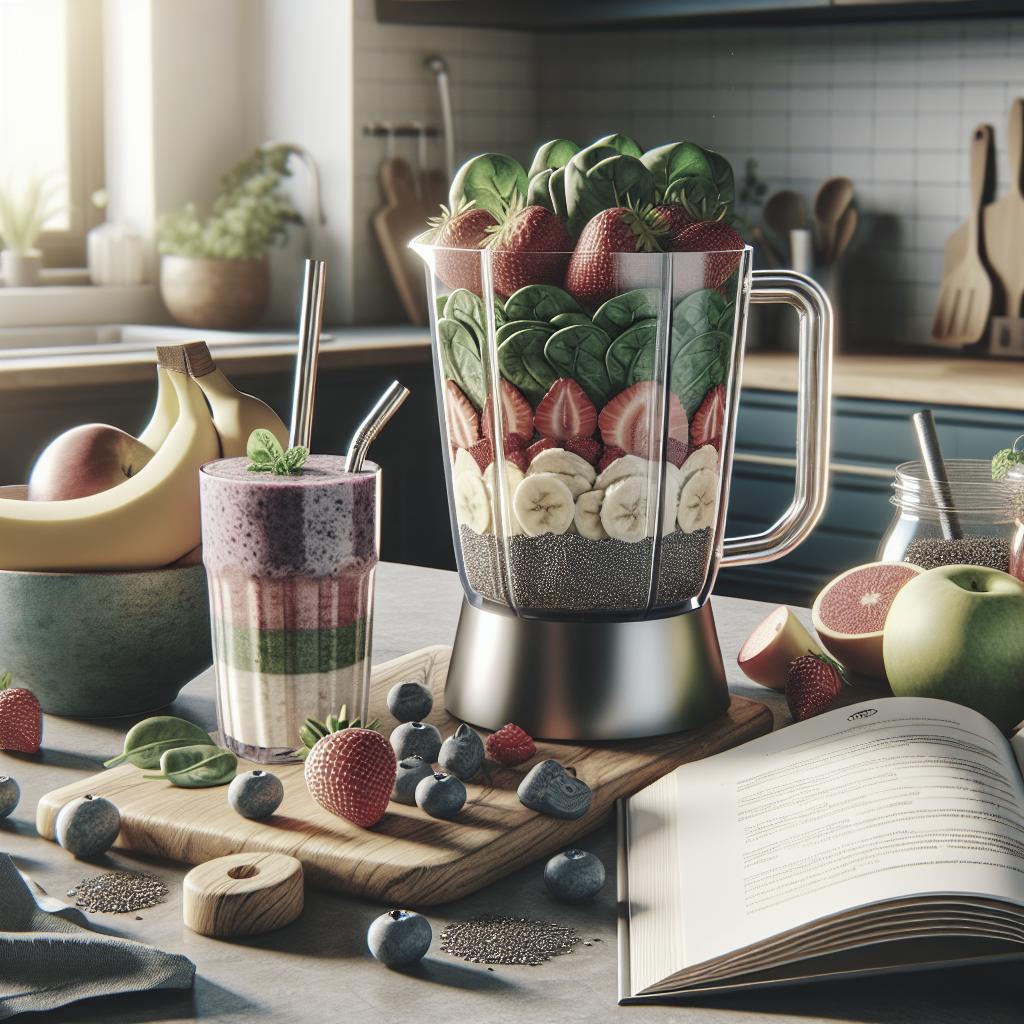
Once your ingredients are prepped, add them into your blender, starting with the liquid base to help the blades move freely. Add in your prepared fruits and vegetables, followed by any yogurt or nut butter. Powders such as proteins and superfoods can be added last to prevent them from sticking to the sides.
Begin blending on the lowest speed and gradually increase to higher speeds, allowing all ingredients to blend together seamlessly into a silky smoothie. If the mixture is too thick, add a splash more liquid until the desired consistency is reached. Your perfect smoothie awaits when all ingredients are completely incorporated and smooth.
How to Make a Healthy Breakfast Smoothie
A breakfast smoothie should be nutrient-dense, providing a balanced blend of proteins, fats, and carbohydrates to start your day with sustained energy. Consider beginning with oats or a handful of nuts for a slow-releasing carb source. Adding a banana not only offers natural sweetness but also provides potassium, crucial for heart health.
Mix in some spinach or kale for a micronutrient boost without overpowering the flavor. For fats, avocado or a spoonful of almond butter supplies healthy fats and creaminess. Top it off with a scoop of your preferred protein powder to keep hunger at bay until your next meal. Adjust the liquid base, whether it’s milk, coconut water, or cold-brew coffee, to suit your taste and dietary needs.
Ingredient Swaps to Try
Smoothies are incredibly versatile, and ingredient swaps can accommodate dietary restrictions or simply mix up your usual routine. If dairy is not an option, explore plant-based milks like soy, oat, or hemp milk as great alternatives that add unique flavors and nutrients.
For those looking to reduce sugar, swap out high-sugar fruits like mangoes and bananas for lower-sugar options like berries and citrus fruits. Instead of traditional sweeteners, a dash of cinnamon or vanilla extract can add depth and sweetness without the extra calories. These swaps can keep your smoothies fresh and exciting.
Tips from the EatingWell Test Kitchen
The experts from the EatingWell Test Kitchen recommend keeping a variety of frozen fruits on hand. Not only do they offer the convenience of long shelf life, but they also contribute to a creamier consistency and don’t require ice, which can water down flavors.
To save time during busy mornings, consider pre-packaging smoothie ingredients in freezer-safe bags. Simply pop a bag in your blender, add your liquid base, and blend. This strategy makes daily smoothie preparation effortless while minimizing waste.
Nutrition Notes
In addition to their great taste and convenience, smoothies can significantly boost your daily intake of vitamins, minerals, and antioxidants. Blending fruits and vegetables allows for the consumption of a wide array of nutrients while maintaining the food’s fiber content, which is vital for digestion and satiety.
Be mindful of portion sizes and overall calorie content, especially if the smoothie is intended as a snack. Balancing ingredients with the right mix of carbohydrates, proteins, and fats ensures you gain maximum nutritional benefits without inadvertently consuming too many calories. Experiment with different combinations to personalize your smoothie to your nutritional requirements.
Frequently Asked Questions
Can I use frozen vegetables in smoothies? Absolutely! Frozen vegetables, like spinach or cauliflower, can be an excellent addition to smoothies, providing additional nutrients and a lovely texture.
Is it okay to make my smoothies ahead of time? Preparing smoothies in advance is convenient, but for the best texture and flavor, consume them within 24 hours. If stored in the fridge, give them a quick stir or shake before drinking to recombine any separated ingredients.
Nutrition Facts (per serving)
A typical serving size of a nutritious smoothie can vary widely based on the ingredients, but a balanced option might include approximately 250 calories, 8 grams of protein, 4 grams of fiber, and 10 grams of sugar. Remember, adjusting the ingredient quantities will alter these figures.
It’s important to tailor your smoothie to your personal dietary goals, ensuring you maximize nutritional benefits while keeping an eye on calorie intake. By understanding your own needs, you can create smoothies that support your health effectively.
Lessons Learned
| Category | Key Points |
|---|---|
| Ingredients | Fruit, vegetables, dairy/plant-based alternatives, protein, superfoods. |
| Directions | Slice fruits, pulse ingredients smoothly, adjust consistency. |
| Healthy Breakfast | Combine proteins, fats, and carbs for balanced energy. |
| Ingredient Swaps | Experiment with milk alternatives, reduce sugars, add spices. |
| Expert Tips | Use frozen fruits, pre-package ingredients to save time. |
| Nutrition Notes | Rich in vitamins and minerals, maintain portion control. |
| FAQs | Incorporate frozen vegetables, consume smoothies fresh. |
| Nutrition Facts | Caloric intake depends on ingredients; balance is key. |
“`
