
“`html
Exploring Middle Eastern Flavors
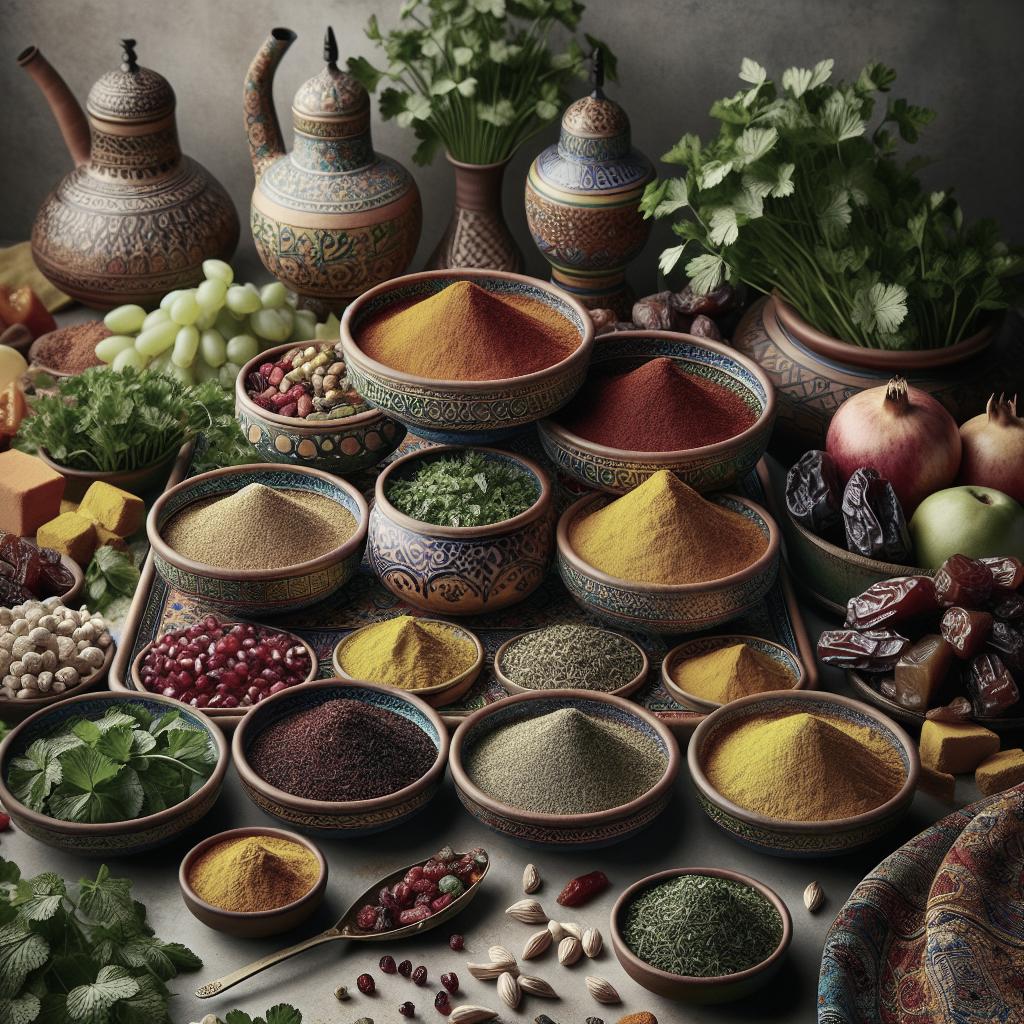
The Middle East is renowned for its unique and vibrant culinary landscape, characterized by a tapestry of exotic spices and seasonings. These flavors not only enhance the aroma and taste of dishes but also tell the rich histories of the cultures they represent. In this blog post, we will delve into the signature spices that define Middle Eastern cooking such as allspice, anise seed, bahārāt, and more. Each of these spices carries its own lineage and contributes to the distinct taste profiles of regional favorites. Join us on a flavorful journey as we uncover the origins, characteristics, and culinary uses of these ingredients, and explore how they continue to influence global cuisine today.
Allspice
Allspice, known for its warm and aromatic profile, resembles a blend of cinnamon, nutmeg, and cloves. This unique spice is derived from the dried berries of the Pimenta dioica plant, native to the Caribbean. However, its adoption and use in the Middle Eastern culinary world have been extensive, enhancing the complex flavors of many traditional dishes.
In Middle Eastern cuisine, allspice is often used to season meat-based dishes, such as kofta, kebabs, and various grilled meats. Its ability to deepen and round out the flavors of savory dishes makes it an indispensable spice in the regional pantry. Whether in stews or rice dishes, the aromatic undertones of allspice are sure to impress any palate.
Anise Seed
Anise seed has a distinct, sweet licorice flavor, making it a popular choice across many Middle Eastern recipes. Derived from the anise plant, this seed has a rich history of being used not only in cooking but also for medicinal purposes. Its sweet and aromatic qualities contribute to the flavor of both sweet and savory dishes in the region’s culinary arts.
Typically, anise seed is featured in baked goods, providing a slight sweetness to breads, pastries, and cookies. Additionally, it is a common ingredient in traditional beverages and is used to infuse spirits like arak. Its versatility and distinctive taste make anise seed a beloved component of Middle Eastern gastronomy.
Bahārāt
The term bahārāt comes from the Arabic word for ‘spices’ and refers to a fragrant blend used commonly throughout Middle Eastern countries. This spice mix varies from region to region but generally includes a blend of black pepper, coriander, cardamom, cloves, cumin, nutmeg, and paprika. This blend encapsulates the aromatic richness that is a hallmark of Middle Eastern cuisine.
Bahārāt is integral in adding depth and warmth to a wide array of dishes, including soups, stews, and even in marinades for meats. Whether it’s used as a rub for meats or a flavoring for rice, this blend enhances the layers of flavor in dishes, creating a harmonious balance that elevates any meal it touches.
Cardamom
Cardamom, known for its strong and distinctive aroma, is widely revered in Middle Eastern cooking. Its flavor is a fascinating combination of sweet and spicy, lending itself well to both sweet and savory dishes. Originating from the Indian subcontinent, cardamom has journeyed through the Silk Road and has been embraced by Middle Eastern culinary traditions.
This spice is crucial in flavoring coffee, known as Arabic coffee or qahwa, which is central to Middle Eastern hospitality. Furthermore, cardamom is often found in desserts such as baklava and other pastries, allowing its sweet nuances to shine. The multi-dimensional flavor of cardamom continues to be celebrated for its ability to transform dishes with its complex taste profile.
Caraway
Caraway, characterized by its peppery and slightly nutty flavor, has made its mark in the culinary landscape of the Middle East. These small crescent-shaped seeds are commonly used in breads, such as the traditional ka’ak. Beyond baked goods, caraway is also an important component in certain meat and cabbage dishes, where it enhances the savory elements.
The inclusion of caraway in Middle Eastern cooking not only enriches flavor but also signifies ancient culinary traditions that have been passed down through generations. Its subtle earthiness provides a grounding taste, making it a staple in dishes that require depth and warmth.
Cinnamon
Cinnamon, with its sweet and woody aroma, is a pillar of Middle Eastern spice cabinets. Originating from the bark of Cinnamomum trees, this spice has been used for culinary and medicinal purposes for centuries. Its warm, sweet, and savory attributes make it a versatile ingredient in a wide range of Middle Eastern recipes.
From tagines to rice dishes and savory pastries like kibbeh, cinnamon’s flavor is upstanding in various forms. In desserts, it shines through in traditional treats like kheer and rice pudding, infusing them with its cozy warmth. Cinnamon’s adaptability and inviting aroma affirm its status as a staple spice across the Middle Eastern culinary world.
Cumin
Cumin, with its rich, nutty, and slightly peppery flavor, is a beloved spice that holds a prominent place in Middle Eastern cuisine. These small seeds pack a punch, offering deep earthy notes that complement a variety of dishes. As an essential ingredient, cumin adds an unmistakable depth to traditional recipes throughout the region.
Widely used in spice mixes, soups, stews, and meat dishes, cumin’s role extends to enhancing the flavors of grains like rice and couscous as well. Its earthy tones lend complexity to marinades and dry rubs, amplifying the flavor profile of meats and vegetables alike, making it a cornerstone in Middle Eastern culinary practices.
Nutmeg
Nutmeg, with its warm and sweet flavor, is a spice that has found its place in the culinary traditions of the Middle East. Derived from the seeds of the Myristica fragrans tree, nutmeg imparts a distinctive taste when grated freshly over dishes. Its use in both desserts and savory recipes highlights its adaptability and pervasive appeal.
In Middle Eastern cooking, nutmeg is often paired with other spices in savory meat dishes, and its subtle sweetness enhances desserts such as pastries and puddings. The aromatic and inviting qualities of nutmeg make it a favored choice in spicing up dishes, bringing warmth and depth that resonate with the region’s fragrant culinary heritage.
Sumac
Sumac is a staple in Middle Eastern kitchens, celebrated for its tangy and citrusy flavor profile. This deep red spice is derived from berries that are dried and ground into a fine powder, bringing a tart kick to various dishes. Sumac is often used as a finishing spice, sprinkling it over foods just before serving to enhance their flavors.
Commonly found in dishes such as fattoush, salads, and meats, sumac’s vibrant tanginess brightens plates with its refreshing zest. It’s also a crucial component of za’atar, a beloved Middle Eastern spice blend. The use of sumac adds a lively and unique dimension to meals, making it an essential spice in Middle Eastern culinary tradition.
Turmeric
Turmeric, renowned for its bright golden hue and slightly bitter, earthy flavor, is a highly appreciated spice in Middle Eastern cuisine. Known for its anti-inflammatory properties, turmeric’s use transcends just flavoring and coloring food; it holds a significant place in holistic and traditional medicine as well.
Often used in rice dishes such as pilaf and mixed into stews and soups, turmeric imparts a warm color and slightly peppery flavor. Its inclusion in spice blends and curries enriches the overall taste and appearance of meals, making it an indispensable spice in the region. The earthy tones and healing properties of turmeric continue to resonate through Middle Eastern kitchens and beyond.
Future Prospects
| Spice | Flavor Profile | Common Uses |
|---|---|---|
| Allspice | Warm, Aromatic | Meat Dishes, Stews, Rice |
| Anise Seed | Sweet, Licorice | Baked Goods, Beverages |
| Bahārāt | Spicy, Aromatic | Soups, Stews, Marinades |
| Cardamom | Sweet, Spicy | Coffee, Desserts |
| Caraway | Peppery, Nutty | Breads, Meat Dishes |
| Cinnamon | Sweet, Woody | Tagines, Desserts |
| Cumin | Nutty, Peppery | Spice Mixes, Soups, Stews |
| Nutmeg | Warm, Sweet | Meat Dishes, Desserts |
| Sumac | Tangy, Citrusy | Salads, Meats, Za’atar |
| Turmeric | Earthy, Bitter | Rice, Stews, Curries |
“`
