
“`html
How to Freeze Meals Without Losing Quality
Freezing meals is an excellent strategy for saving food, money, and time, especially for those with bustling schedules. This comprehensive guide explores how to maintain food quality while effectively using your freezer. We’ll cover the science of freezing, specific techniques for different types of produce, meats, and meals, and tips for safe thawing. Whether you’re a kitchen novice or an experienced chef, understanding the nuances of freezing can help you make the most of your groceries and keep your meals tasting fresh and nutritious.
Check out my award-winning cookbook!
01. What is freezing?
Freezing is a method of food preservation that involves storing food at sub-zero temperatures. This process slows down the decomposition by inhibiting bacterial growth and chemical changes. It effectively prolongs the life of food products and enables consumers to keep items for extended periods without spoilage.
The appeal of freezing is its ability to preserve not just the edibility but also the nutritional value of food. By maintaining a low temperature, it ensures the retention of vitamins and minerals that may otherwise degrade with time.
02. How does freezing preserve food?
Freezing preserves food by halting the biological and chemical processes involved in spoilage. When temperatures drop below 0°C (32°F), the activity of microorganisms responsible for decay and foodborne illnesses is significantly reduced. Enzymes that cause deterioration are less active as well.
Not only does freezing stop these processes, but it also retains the texture, flavor, and nutritional content of food. The cold environment ensures that food maintains its pre-freezing quality as much as possible, when stored under ideal conditions.
03. Does freezing alter the natural state of food?
While freezing is effective in preserving food, it can cause minor changes in texture and flavor. This is because water inside the food forms ice crystals, which can affect the cellular structure. The creation of large ice crystals can puncture cell walls, leading to alterations in texture upon thawing.
However, these changes are often minimal and depend on the type of food. By using proper freezing methods, such as quick-freezing, you can minimize ice crystal formation and preserve the food’s natural state as much as possible.
04. Which foods can I keep in the freezer?
Most foods can be stored in the freezer to maintain their quality and extend their shelf life. Common items that freeze well include meats, poultry, fish, vegetables, fruits, and even some dairy products like butter and cheese.
Prepared meals, soups, and sauces are also suitable for freezing. When done correctly, freezing can be a viable option for nearly any type of food that would benefit from longer preservation.
05. Which foods should I avoid keeping in the freezer?
While freezing is a great way to preserve many foods, some do not fare well in the freezer. Foods with high water content, like lettuce and cucumbers, tend to become mushy when frozen due to ice crystal formation.
Cream-based sauces and dairy products like sour cream, yogurt, and some soft cheeses may separate or curdle when thawed. It’s best to avoid freezing these items or use them in cooked dishes after freezing when texture changes are less noticeable.
06. What is the best way to organize food in the freezer?
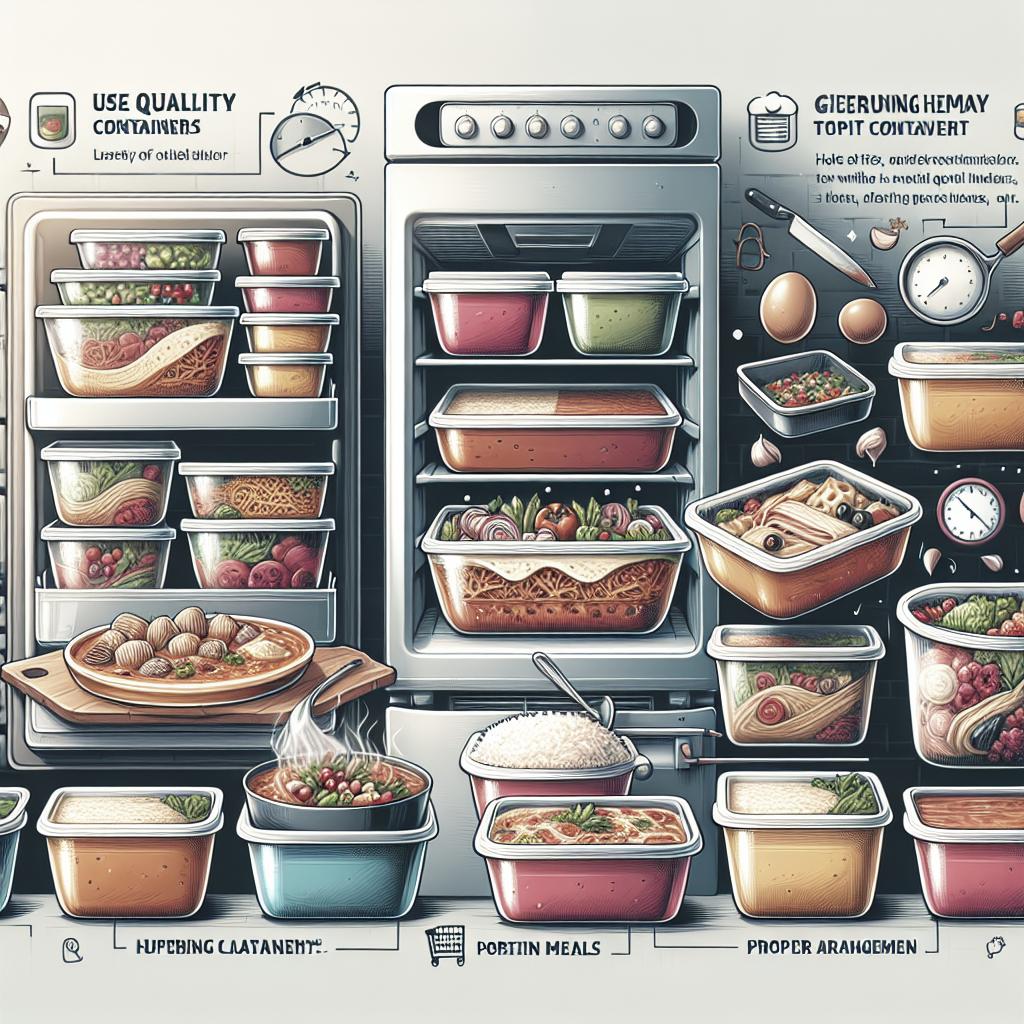
Proper organization in the freezer is crucial to maximize efficiency and preserve food quality. Storing similar items together and labeling them with names and dates can help you easily keep track of what’s available and when it was stored.
Use clear, airtight containers or freezer bags to prevent freezer burn and cross-contamination. Keeping a regular rotation, or “first in, first out” system, ensures that older items are used before newer ones.
07. How do I store meat in the freezer?
When freezing meat, start by portioning it into meal-sized amounts. Wrap the portions tightly in plastic wrap or aluminum foil, then place them in airtight freezer bags to avoid freezer burn and extend storage life.
Label each package with the type of meat and freezing date. This organizational step aids in keeping track of inventory and ensures you use older packages first to maintain quality and safety.
08. How do I store poultry in the freezer?
To store poultry effectively, remove the original packaging and rewrap it tightly in plastic wrap or aluminum foil, then place it in a freezer bag. Expel as much air as possible before sealing to avoid freezer burn.
Label the package with the kind of poultry and the date of freezing. Poultry can be stored in the freezer for up to a year, but using it sooner ensures better taste and texture.
09. How do I store fish in the freezer?
To preserve fish in the freezer, it’s important to freeze it as soon as possible after purchase. Rinse the fish, pat it dry, and then wrap it in plastic wrap before placing it in an airtight container or freezer bag.
It’s crucial that fish is frozen at the right temperature, ideally at or below -20°C (-4°F), to ensure it remains fresh and retains its flavor until it’s ready to be used.
10. How do I store fruits and vegetables in the freezer?
For best results, blanch most vegetables before freezing. Blanching involves boiling vegetables briefly and then plunging them into an ice-water bath to stop the cooking process. This step helps preserve colors, flavors, and textures.
Fruits can be frozen directly, but slicing and removing cores or pits can be helpful. Spreading pieces out on a baking sheet to freeze initially, then transferring to a freezer bag, will prevent clumping.
11. How do I store herbs in the freezer?
Freezing herbs can be a useful way to preserve their flavor for cooking. Wash and chop the herbs before spreading them on a baking sheet to freeze quickly. Once frozen, transfer them to a freezer bag or an airtight container.
Another effective method is to place chopped herbs in ice cube trays, cover them with water or olive oil, and freeze. These herb cubes can be added directly to dishes as needed.
12. How do I store cooked food in the freezer?
Cooked meals should be cooled to room temperature before freezing. Divide them into individual portions and place them in airtight containers or freezer bags. Label and date each container for easy identification later on.
By storing them in serving-sized portions, you can quickly defrost just what you need, reducing waste while enjoying homecooked food at any time.
13. Can I put hot food straight into the freezer?
It’s advisable not to place hot food directly into the freezer. The high temperature can raise the overall temperature inside the freezer, which may partially thaw and refreeze other stored items, leading to potential safety issues.
Allow the food to cool to room temperature before transferring it to the freezer. This prevents undue strain on your appliance and helps maintain consistent freezing temperatures.
14. How long can I keep food in the freezer before it goes bad?
The duration food can be kept in the freezer without quality loss varies by type. Fruits and vegetables generally last 8-12 months, while meats can be stored from 4 months to a year. Cooked foods typically remain good for 2-3 months.
Always keep track of how long items have been frozen and rotate them regularly. This practice ensures you’re consuming them at their peak of freshness and quality.
15. How do I thaw food from the freezer?
Thawing food correctly is essential to preserving quality and ensuring safety. The safest method is to thaw food in the refrigerator, which allows it to slowly defrost in controlled temperatures.
For quicker thawing, you can use cold water or a microwave. Just be sure to cook the food immediately after these methods to ensure it’s safe to eat.
16. Can I cook food from frozen?
Yes, many foods can go directly from the freezer to the cooking pot or oven. Vegetables can be added to dishes without thawing, while meats may require a longer cooking time if cooked from frozen.
Be sure to check the internal temperature to ensure the food is cooked thoroughly, according to safety standards, to prevent foodborne illnesses.
17. Can I refreeze food?
Refreezing food is generally not recommended, as it can negatively impact the texture and flavor. However, food that has been thawed in a refrigerator and has not been left out for more than 2 hours can be safely refrozen.
If the food was thawed in cold water or the microwave, it should be cooked before considering refreezing to prevent any food safety issues.
Share this:
If you find this guide helpful, consider sharing it with friends and family who might benefit from effective freezing strategies. It could help them save time and reduce food waste!
Related.
Explore related topics on food preservation and storage techniques for a more sustainable kitchen.
Next Steps
| Topic | Summary |
|---|---|
| Freezing Definition | Freezing involves storing food at sub-zero temperatures to inhibit spoilage and retain nutrients. |
| Food Preservation | Freezing stops biological processes that cause food decay, preserving quality and nutritional value. |
| Quality Alteration | Ice crystals from freezing can impact food texture and flavor, which can be minimized with quick-freezing methods. |
| Freezable Foods | Meat, poultry, fish, vegetables, fruits, and some dairy and prepared meals can be effectively frozen. |
| Unfreezable Foods | High-water content foods, cream-based sauces, and certain dairy products often don’t freeze well. |
| Freezer Organization | Use airtight containers, label with names and dates, and maintain rotation for optimal storage. |
| Thawing and Cooking | Safe thawing involves refrigerating, using cold water, or microwaving. Foods can often be cooked from frozen. |
| Refreezing Foods | Refreezing negatively affects quality; only safely refreeze certain foods thawed properly in the fridge. |
“`
