
“`html
Methods for Smoking Meat: A Comprehensive Guide
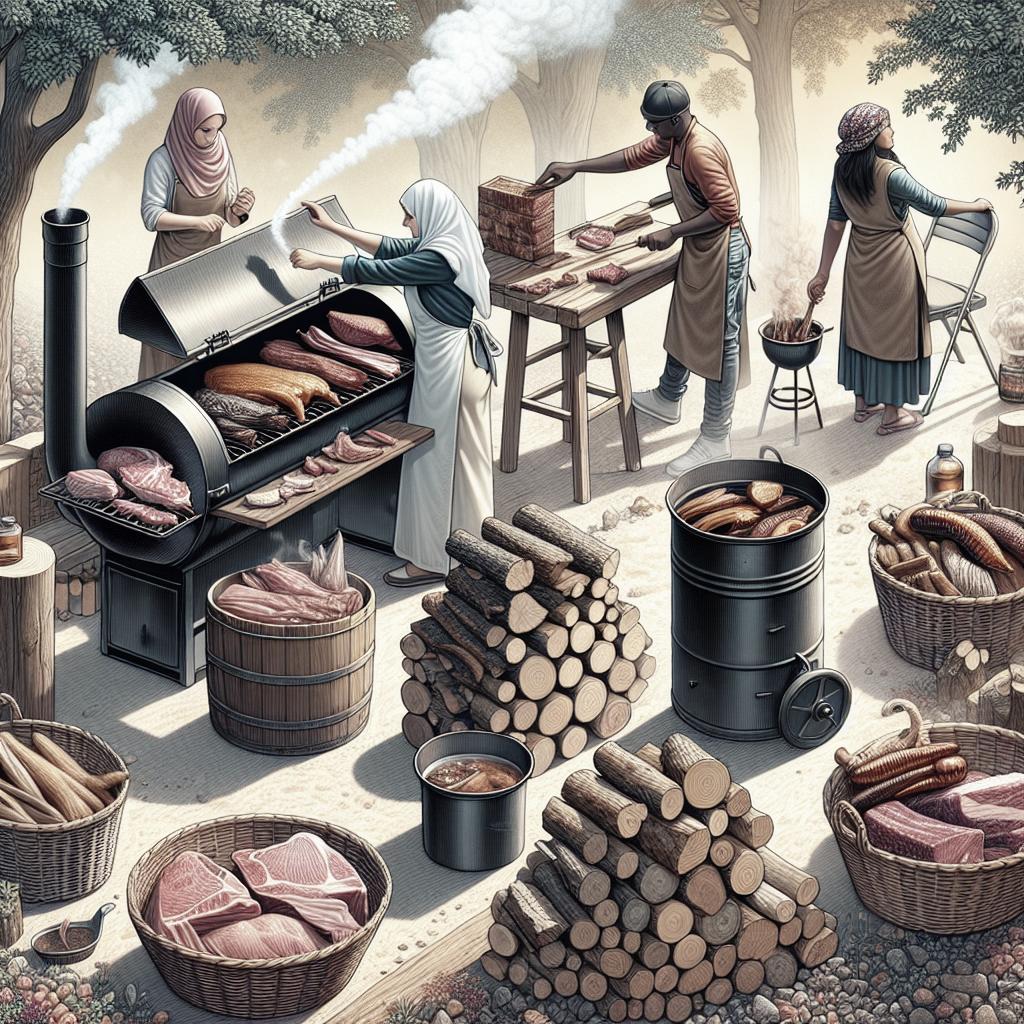
Smoking meat is an age-old culinary technique that imparts a smoky flavor and tenderness to various cuts, creating delectable meals. This guide explores the essential methods and considerations involved in the smoking process. We’ll begin with a look at selecting the right smoker to suit your needs, followed by an exploration of hardwood choices that add distinct flavors to your meat. The guide will also provide insights into choosing the best cuts of meat for smoking, ensuring optimal taste and texture. Additional sections will focus on maintaining the right temperature, sustaining the smoke, and keeping the meat moist during the cooking process. Finally, we’ll discuss how to calculate cooking time to ensure perfectly smoked results. Whether you’re a novice or a seasoned pitmaster, these tips will elevate your smoking game.
Selecting a Smoker
Choosing the right smoker is pivotal to the smoking process, as it sets the foundation for your culinary adventure. There are several types of smokers available, including offset smokers, electric smokers, pellet smokers, and kamado grills. Each type comes with its unique set of advantages and disadvantages, making it essential to assess your needs and skill level before making a decision.
Offset smokers are beloved for their capacity to provide a traditional smoking experience, offering unrivaled smoke and flavor control. However, they require diligent management to maintain consistent temperatures. Electric smokers, on the other hand, are more convenient and beginner-friendly, offering set-and-forget functionality but sometimes lacking in the depth of flavor. Pellet smokers use wood pellets and offer excellent temperature control and smoky taste, though they can be pricier. Kamado grills are versatile and efficient but demand a bit more skill to master.
Using Hardwood
The choice of hardwood is paramount to achieving the desired flavor profile in smoked meats. Different woods impart distinct flavors, with some more suited to particular types of meat. Popular choices include hickory, mesquite, applewood, cherry, and oak, among others.
Hickory is a versatile wood known for its robust, smoky flavor, making it ideal for pork and beef. Mesquite burns hot and fast with a strong, earthy flavor, well-suited for red meats. For a milder, sweeter option, applewood and cherry are excellent choices that complement poultry and pork. Oak offers a medium-strength smoke that’s good for practically any meat. Experimenting with wood combinations can yield new and exciting flavor profiles. It’s essential to ensure that the wood is dry and free from chemicals or toxins to avoid imparting undesirable tastes.
Choosing Cuts of Meat
Not all cuts of meat are created equal when it comes to smoking. Selecting the right cut can significantly impact the final texture and taste of your smoked masterpiece. Tough cuts that benefit from low-and-slow cooking, such as brisket, pork shoulder, and ribs, are particularly well-suited for smoking.
Brisket, a favorite among barbecue enthusiasts, transforms into a tender and succulent creation when smoked properly. Pork shoulder, also known as pork butt, is great for pulled pork due to its marbling and connective tissue that breaks down beautifully. Ribs, both spare ribs and baby back ribs, are classic choices that absorb smoky flavors while achieving a delectable caramelized exterior. For poultry, whole chickens and turkeys work well, gaining a moist and deeply flavorful result.
Watch Now: How to Make Perfectly Smoked Prime Rib
Want to see the smoking process in action? Check out this video tutorial demonstrating how to prepare a perfectly smoked prime rib, showcasing techniques that achieve tender and flavorful results. Visual learners will benefit greatly from this step-by-step guide. [Video content placeholder]
Controlling Temperature
Maintaining an optimal temperature is crucial for successful smoking, ensuring that the meat cooks evenly and develops the desired smokiness. Most smoked meats are cooked at low temperatures, between 225°F (107°C) and 250°F (121°C), to allow time for collagen breakdown and flavor absorption.
Using a reliable digital thermometer to monitor both the smoker and internal meat temperatures can prevent overcooking or undercooking. Adjusting vents, fuel, or smoker settings as needed helps maintain a consistent temperature throughout the smoking process. Electric and pellet smokers offer precise temperature controls, while traditional smokers require more frequent checks and adjustments. Mastering temperature control is an essential skill for achieving perfect results.
Sustaining the Smoke
Sustaining a steady flow of smoke is crucial for imparting flavor to the meat. However, too much smoke can result in a bitter taste, so balance is key. Generally, maintaining a thin, blue smoke—rather than billowy white smoke—indicates clean combustion and ideal smoke production.
To achieve this, ensure the smoker is adequately ventilated, allowing enough oxygen to fuel the fire without suffocating it. Adding wood, wood chips, or pellets in moderation prevents overwhelming the meat with smoke. Additionally, soaking wood chips beforehand can help regulate smoke production. Timing is just as important; introducing smoke during the initial stages of cooking is most effective, as the meat absorbs more flavor when it’s raw or just beginning to cook.
Maintaining the Moisture
Smoking is a dry cooking method, which makes maintaining moisture within the meat a pivotal aspect of the process. There are several techniques to ensure the meat remains juicy and succulent throughout the smoking session.
One popular method is to use a water pan within the smoker. This not only adds moisture to the environment but also helps regulate temperature. Another technique is the use of brines or marinades before smoking, especially for lean meats like poultry. Basting or spritzing the meat with a liquid mixture—such as apple juice, vinegar, or a custom marinade—throughout the smoking process can also prevent drying. Finally, wrapping the meat in foil or butcher paper partway through cooking allows it to steam in its own juices, enhancing tenderness.
Calculating Cooking Time
Knowing how to calculate the cooking time is crucial to avoid overcooked or undercooked meat. Smoking is a time-intensive process, governed largely by the size and type of meat being cooked. A general rule of thumb is to allow for about 1 to 1.5 hours of smoking for every pound of meat.
However, many variables can impact cooking time, including the smoker type, temperature stability, and ambient conditions. Using a meat thermometer to regularly check the internal temperature is a reliable way to gauge doneness. Most smoky meats are considered done when they reach a specific internal temperature: for example, 200°F (93°C) for brisket when it becomes tender. Patience and practice are key; with experience, timing the perfect smoke becomes second nature.
| Method | Description |
|---|---|
| Selecting a Smoker | Choose from offset, electric, pellet, or kamado smokers based on needs and skill level. |
| Using Hardwood | Pick hardwoods like hickory or applewood for desired flavors and ensure wood is dry and chemical-free. |
| Choosing Cuts of Meat | Preferred cuts include brisket, pork shoulder, ribs, and whole poultry for smoking. |
| Controlling Temperature | Maintain low and consistent temperatures with a thermometer and adjust as needed. |
| Sustaining the Smoke | Maintain thin blue smoke; avoid excessive smoke by moderating wood additions. |
| Maintaining the Moisture | Use water pan, brines, basting, or wrapping to keep meat moist and tender. |
| Calculating Cooking Time | Estimate 1 to 1.5 hours per pound; use a thermometer for internal temperature checks. |
“`
