
“`html
How to Prepare Vegetables for Roasting
Roasted vegetables are a versatile and delicious way to bring out the natural flavors of your favorite veggies. Perfect for any meal, roasted vegetables can turn a simple dish into a culinary delight. In this guide, you’ll learn everything you need to know to prepare vegetables for roasting. From choosing the right vegetables and cutting them properly to seasoning and storing them, each step is essential for achieving perfectly roasted veggies. Discover helpful tips, seasoning ideas, and learn how to store your roasted creations to enjoy later. Whether you’re a beginner or an experienced cook, these tips will help elevate your roasted vegetable game.
Roasted Vegetables
Ingredients
To start your roasted vegetable adventure, you’ll need a selection of fresh vegetables. Think of colorful bell peppers, hearty carrots, earthy sweet potatoes, and firm Brussels sprouts. Aim for a variety of textures and flavors to create a balance that satisfies your taste buds.
Additional ingredients required include olive oil for its healthy fats and aiding the roasting process, salt and pepper for seasoning, and optional herbs such as rosemary, thyme, or oregano to enhance the aromatic profile of your dish.
Instructions
Begin by preheating your oven to 425°F (220°C). This temperature is ideal for perfectly caramelizing the natural sugars in vegetables, giving them a sweet, concentrated flavor.
Next, prepare your vegetables by washing and drying them thoroughly. This ensures that any dirt or residue is removed, and drying them prevents excess moisture from steaming rather than roasting your vegetables.
Notes
Feel free to experiment with a variety of vegetables to find your preferred combination. The beauty of roasted vegetables lies in their adaptability to different flavors and cuisines.
Remember to keep the sizes of your vegetable pieces relatively consistent. This ensures that they all roast evenly under the same amount of time, preventing some from burning while others remain underdone.
Which Vegetables to Roast
Some vegetables naturally lend themselves better to roasting than others because of their firmness and sugar content. Root vegetables such as carrots, parsnips, and potatoes are popular choices, as are cruciferous vegetables like Brussels sprouts and cauliflower.
Don’t shy away from experimenting with less common choices like beets, butternut squash, or eggplant. These vegetables also develop rich flavors and textures through the roasting process.
How to Cut Vegetables for Roasting
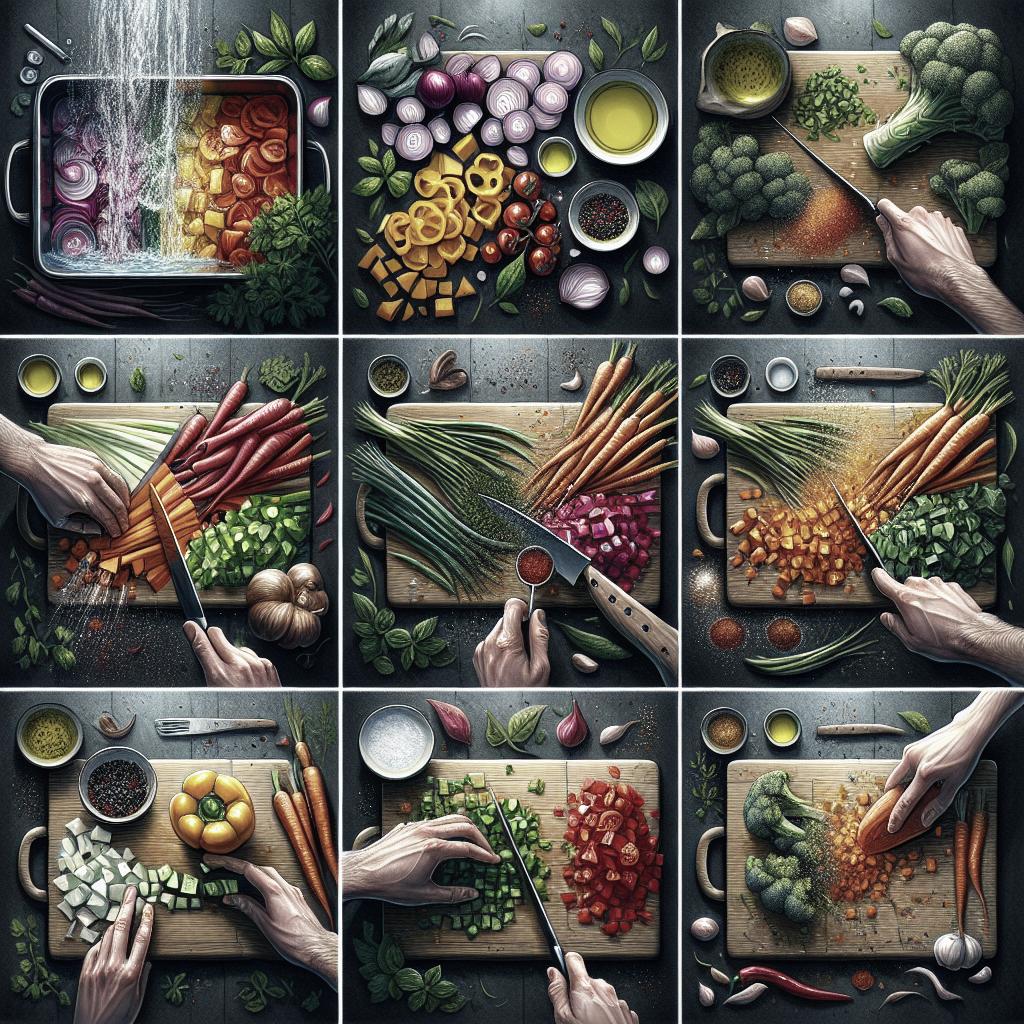
The way you cut your vegetables can significantly impact the final outcome. Aim for uniform pieces to ensure even cooking. Larger vegetables like sweet potatoes can be diced into cubes, while smaller vegetables like mushrooms and cherry tomatoes can be halved.
For thin vegetables like carrots and parsnips, slicing them into thin sticks or rounds will facilitate even roasting. Remember, uniformity is key for even caramelization and flavor absorption.
How to Make Roasted Vegetables
Once your vegetables are cut to size, place them on a baking sheet. Ensure they’re spaced out slightly to encourage even roasting and browning. Crowded vegetables tend to steam instead. Drizzle them with olive oil and sprinkle with salt, pepper, and any desired herbs.
Toss everything together with your hands or a spatula, ensuring each piece is coated with the oil and seasoning. Bake for about 20-30 minutes, stirring halfway through until they are tender and golden brown.
Oven Roasted Vegetables Tips
For enhanced flavor, you can add a few cloves of garlic or a splash of balsamic vinegar along with your seasoning mix. This addition can significantly enhance the complexity of tastes in the final dish.
An important tip is to avoid overcrowding your pan. Overcrowded pans lead to steaming rather than roasting, resulting in less flavor and undesired texture.
Roasted Vegetable Seasoning Ideas
While simple salt and pepper work wonders, considering herbs and spices can elevate your dish. Try seasoning your vegetables with smoked paprika, cumin, or curry powder for a bolder flavor.
For a Mediterranean-inspired dish, use herbs like rosemary, oregano, and thyme. Another delicious option is to sprinkle Parmesan cheese over your vegetables in the last few minutes of roasting.
How to Store
If you’re planning to store your roasted vegetables, allow them to cool to room temperature first. Transfer them into an airtight container and refrigerate. They can be stored for up to four days.
To reheat, either use a microwave for convenience or return them to a 350°F (175°C) oven for 10-15 minutes to regain their crisp texture and flavors.
Lessons Learned
| Topic | Details |
|---|---|
| Ingredients | Use a variety of fresh vegetables, olive oil, salt, and optional herbs. |
| Cutting Techniques | Cut uniformly to ensure even cooking; consider the size and shape for optimal roasting. |
| Baking Process | Preheat oven to 425°F, avoid overcrowding, and roast for 20-30 minutes. |
| Seasoning Ideas | Experiment with spices like paprika or Parmesan for enhanced flavors. |
| Storage | Store in airtight containers in the fridge up to four days; reheat in the oven for best texture. |
“`
