
“`html
How to Host a Sustainable Dinner Party
Hosting a dinner party can be both joyous and daunting, especially when wanting to ensure it’s eco-friendly. As environmental concerns grow, more people are looking for ways to make their gatherings sustainable. This guide will explore several strategies for reducing your carbon footprint while entertaining. From selecting eco-conscious materials to opting for local and organic food, we’ll dive into implementing sustainable practices that can benefit the planet without sacrificing enjoyment. Uncover creative ways to reuse materials, encourage guests to bring their own serving pieces, and embrace rentals as a sustainable option. Let’s dive into the art of hosting a dinner party that’s not only memorable but also environmentally conscious.
Related To:
When planning a sustainable dinner party, the related aspects require a broader view of your lifestyle choices. It’s not merely about the meal; it signifies a commitment to an eco-friendly lifestyle. You begin with a mindset that weighs environmental impact against convenience. Every sustainable choice you make echoes beyond the party, embracing a lifestyle that respects the Earth’s resources. By starting discussions on sustainability with friends, your event becomes more than just a party.
Furthermore, consider the broader conversation around sustainability. Sharing tips and strategies can inspire others to do the same. Use your party to spark conversations about responsible consumption. This can lead to new friendships forged over a shared commitment to the environment. Educational content like documentaries or pamphlets can serve as conversation starters and enhance the theme of sustainability throughout your evening.
Skip the theme.
While themed parties are tempting, they often lead to unnecessary waste. Themes typically involve buying single-use decorations, costumes, and tableware. Focusing on a sustainable dinner party means prioritizing substance over superficial themes. Instead of a specific theme, consider a color palette inspired by natural elements or a serene ambiance using minimal decor.
Opting out of a theme doesn’t mean your event will lack flair. In fact, it allows the focus to shift to the quality of food and conversation. Encourage guests to dress simply or in attire they love but seldom wear, reducing the need for fast fashion purchases. By focusing on an experience rather than a theme, you encourage genuine interactions rather than superficial impressions.
Buy recyclable materials.
One of the simplest steps toward hosting a sustainable dinner party is selecting materials that are recyclable. This includes recyclable decorations, table settings, and even games or party favors. By opting for paper or metal straws instead of plastic ones, you significantly cut down on post-party waste.
Considering local businesses that specialize in recyclable or biodegradable goods can benefit your community as well. You’ll find that many city centers now offer stores and marketplaces that specialize in eco-friendly living. Making conscious choices, like purchasing from these local sources, supports your area’s economy while reducing your party’s carbon footprint.
Keep the food local and organic.
Opting for local and organic food not only enhances flavor and nutritional value but also supports local farmers and reduces carbon emissions from transportation. Check out local farmers’ markets or organic grocers when planning your menu. Seasonal ingredients are often more affordable and have a smaller environmental impact.
Furthermore, consider plant-based dishes to maximize sustainability. Reducing meat consumption can have a profound positive effect on the environment, lowering greenhouse gas emissions. Balancing your menu with vibrant vegetables, grains, and legumes provides variety and caters to various dietary preferences, ensuring a delightful experience for all your guests.
Think multi-purpose and repurpose.
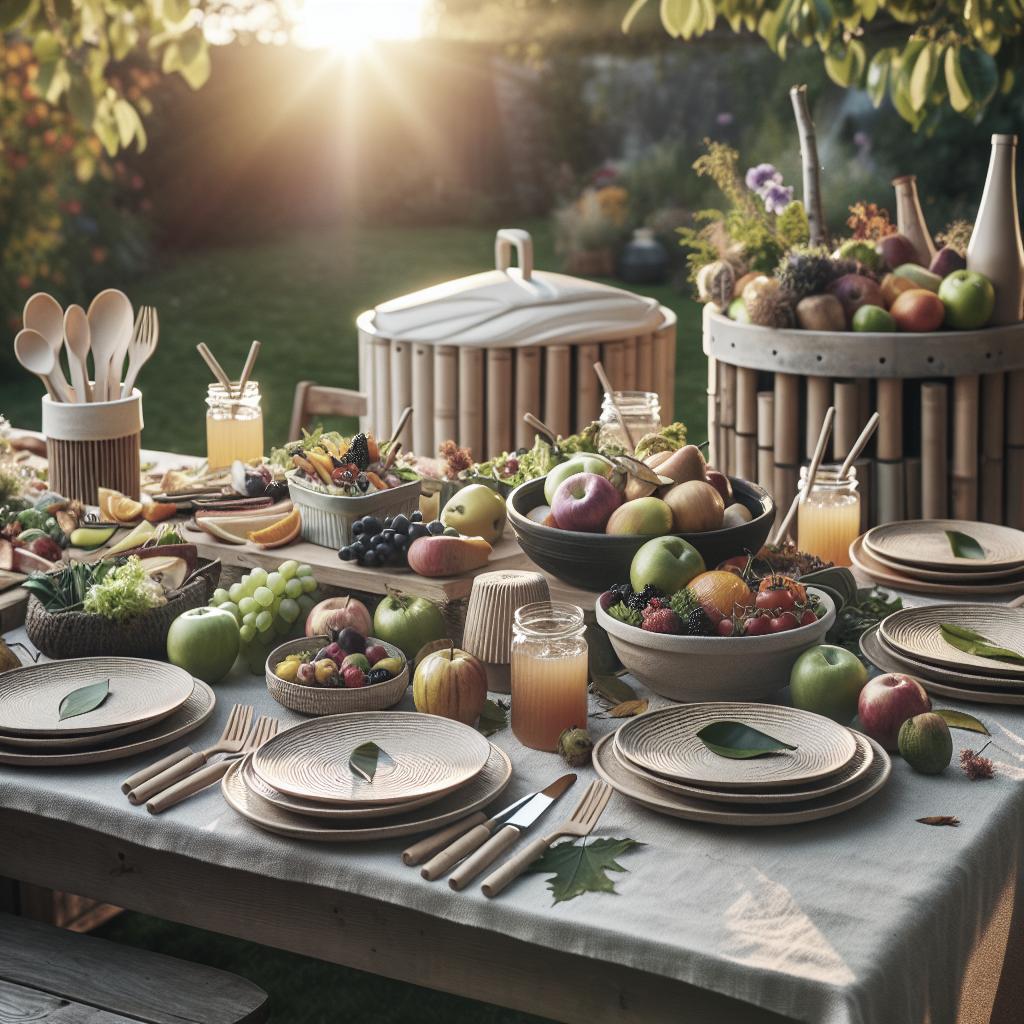
Reusability and versatility are keys to sustainability. Look around your home for items that could fit your dinner party without purchasing new ones. Mason jars can double as drinking glasses or candle holders. Scarves or fabric remnants serve as beautiful, eclectic table runners or napkins.
If new purchases are necessary, invest in items with multiple uses. Cloth napkins, for instance, not only cater to your existing event but can also be used for future gatherings. When considering repurposing, you engage your creativity and reduce environmental impact, adding a distinctive touch to your party.
BYOSP (Bring Your Own Serving Pieces)
Invite guests to bring their own serving plates, cutlery, and even mugs. While this may initially seem unusual, it rapidly becomes a conversation piece. It alleviates the need for disposable options and minimizes dishwashing, thus conserving water and electricity.
This practice fosters a sense of community and sharing. Guests might bring items with interesting stories or unique designs, enriching the conversation. It’s an opportunity for everyone to showcase items they cherish, making your dinner party an interactive, personalized experience.
Rentals
Renting dishware, glasses, and linens is an efficient way to maintain elegance without purchasing new items. Many rental companies specialize in eco-friendly options, offering a range of styles to suit your dinner party’s needs. Renting provides high-quality items without sacrificing sustainability.
Rentals also alleviate the stress of post-event cleanup. With rental companies often handling cleaning, you conserve time and resources. Renting supports sustainable practices by reducing demand for new products and encouraging reuse – a fundamental aspect of sustainability.
Recycled, if you please.
Select items made from recycled materials when possible. Beyond providing unique character, they significantly reduce environmental impact. Recycled glassware, woven baskets, or reclaimed wood surfaces exemplify how elegance and sustainability coexist in tandem.
Recycled products often have interesting backstories that can serve as conversation pieces. Sharing these stories can inspire your guests and raise awareness about sustainability options. From the sourcing of these materials to their transformation into usable goods, recycled items exemplify a commitment to eco-conscious living.
Skip paper and plastic dinnerware.
While convenient, using disposable paper and plastic dinnerware generates excessive waste. Instead, turn to reusable options, like ceramic or glass. Not only is this approach more sustainable, but these products also enhance the dining experience through aesthetics and functionality.
If you’re short on permanent wares, consignment shops or online marketplaces offer affordable options, allowing you to curate an eclectic collection. These conscious choices contribute significantly to the event’s sustainability, reducing waste and promoting a more environmentally friendly lifestyle altogether.
Lessons Learned
| Strategy | Benefits |
|---|---|
| Skip the theme | Reduces waste and shifts focus to quality experiences |
| Buy recyclable materials | Decreases post-event waste, supports local businesses |
| Keep food local and organic | Supports local economy, reduces emissions, enhances flavor |
| Think multi-purpose and repurpose | Encourages creativity, minimizes new purchases |
| BYOSP (Bring Your Own Serving Pieces) | Promotes sharing, reduces dishwashing needs |
| Rentals | Provides elegance, reduces new product demand |
| Recycled, if you please | Reduces environmental impact, offers unique decor |
| Skip paper and plastic dinnerware | Reduces waste, promotes reusable options |
“`
