
“`html
The Benefits of Grass-Fed Beef
In recent years, the demand for grass-fed beef has been on the rise. With a focus on health consciousness and sustainable practices, consumers are looking to make more informed food choices. This blog post delves into the differences between grass-fed and grain-fed cattle, emphasizing why grass-fed beef might be the superior choice. From variations in fatty acid compositions to nutritional value, and an analysis of its worth compared to the cost, our guide will help you navigate through the pros and cons of choosing grass-fed beef. By the end, you’ll have a well-rounded understanding of whether investing in grass-fed beef aligns with your dietary goals and lifestyle preferences.
The Difference Between Grass- and Grain-Fed Cattle
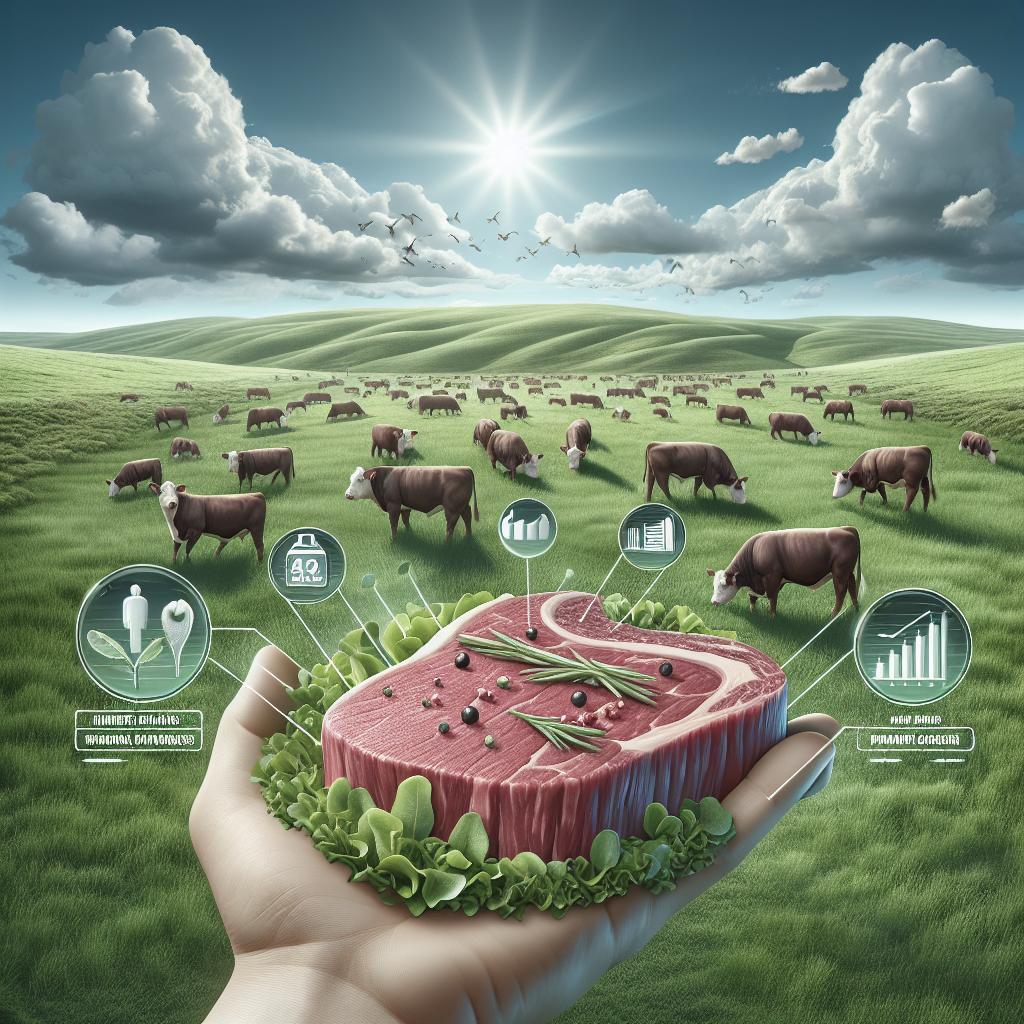
The primary distinction between grass-fed and grain-fed cattle resides in their diets. Grass-fed cattle are raised primarily on pastures, consuming a natural diet of grass throughout their lives. In contrast, grain-fed cattle are often raised in confined feedlots where they are fed a predominantly grain-based diet. This difference in diet significantly affects the cattle’s growth rate and the quality of meat produced.
Grass-fed cattle typically grow at a slower pace, resulting in leaner meat with a more pronounced beefy flavor. On the other hand, grain-fed cattle, due to their high-energy diet, tend to develop more intramuscular fat, leading to meat that is more marbled and often considered tenderer. However, these differences in raising practices have implications beyond taste and texture, affecting the nutritional content and environmental impact of the meat.
Differences in Fatty Acid Composition
One of the most significant nutritional benefits of grass-fed beef is its superior fatty acid composition. Grass-fed beef tends to have lower total fat content but higher levels of omega-3 fatty acids, which are essential for heart health. These beneficial fats play a crucial role in reducing inflammation, lowering blood pressure, and improving cholesterol levels. Compared to their grain-fed counterparts, grass-fed cattle produce beef with a healthier balance of omega-3 to omega-6 fatty acids.
Additionally, grass-fed beef contains higher levels of conjugated linoleic acid (CLA), a type of fat associated with various health benefits, including reduced risks of heart disease and cancer. The presence of CLA and omega-3s makes grass-fed beef a more favorable option for those conscious of their fat intake and looking to make healthier choices.
Grass-Fed Beef is More Nutritious
Apart from the healthier fat profile, grass-fed beef generally surpasses grain-fed beef in terms of other nutritional aspects. Research indicates that grass-fed beef contains higher concentrations of essential vitamins like Vitamin E and A, as well as minerals such as potassium, iron, phosphorus, and zinc. This nutrient-dense profile can contribute positively to overall health when included as part of a balanced diet.
Moreover, grass-fed beef is a richer source of antioxidants, which are crucial in neutralizing harmful free radicals in the body that contribute to chronic diseases. This enhanced nutritional profile highlights the benefits of choosing grass-fed beef, especially for those aiming to optimize their dietary intake and support their long-term health goals.
Is Grass-Fed Beef Worth the Extra Cost and Potential Inconvenience?
The decision to purchase grass-fed beef often involves weighing its health benefits against its typically higher price tag. Grass-fed beef usually costs more than grain-fed beef due to the slower growth rate of cattle and the resources required for pasture feeding. For some consumers, the increased cost may be a barrier; however, many argue that the health benefits and superior quality justify the expense.
Apart from the cost, accessibility can be another issue as grass-fed beef is not as widely available in all regions. It can often require shopping at specialty stores or directly from farms, which may not be practical for everyone. However, advances in supply chains and increased demand are gradually improving accessibility, making grass-fed beef a more feasible option for a broader audience over time.
The Bottom Line
In summary, grass-fed beef offers a range of benefits, particularly in terms of nutritional value and healthy fat composition. While it may be more expensive and less accessible than grain-fed beef, the choice ultimately depends on individual priorities and preferences. For those emphasizing health, ethical farming practices, and nutrient quality, grass-fed beef represents a rewarding investment. As awareness grows, it is likely that grass-fed beef will become an increasingly popular choice among health-conscious consumers.
| Comparison Aspects | Grass-Fed Beef | Grain-Fed Beef |
|---|---|---|
| Diet | Primarily grass | Primarily grains |
| Fatty Acid Composition | Higher in omega-3 and CLA | Higher in total fat |
| Nutritional Value | More vitamins and minerals, rich in antioxidants | Less nutrient-dense |
| Cost and Accessibility | Higher cost, less accessible | Generally cheaper, more accessible |
“`
