
“`html
How to Create a Vegan Cheese Platter
A vegan cheese platter, also known as a charcuterie board, is a delight for the senses and a wonderful way to entertain guests or enjoy a cozy evening at home. This blog post will guide you through the steps to create your own vegan cheese board from scratch, including the selection of the best plant-based cheeses, complementary fruits, nuts, and spreads. We will explore why vegan cheese boards are a perfect option for everyone, what ingredients you’ll need, and offer tips for the ultimate presentation. Perfect for holidays or any occasion, dive into the art of vegan entertaining and discover a plant-based platter sure to please vegans and non-vegans alike.
Vegan Charcuterie Board (Vegan Cheese Board)
Vegan charcuterie boards have become increasingly popular as they combine the elegance of traditional cheese boards with the inclusivity of plant-based options. These boards highlight the diverse and innovative world of vegan cheeses and allow for a creative presentation that bridges the gap between sustainability and indulgence. Exploring different kinds of plant-based cheeses can be an exciting adventure, offering varied textures and flavors.
By focusing on color, texture, and pairings, a vegan cheese board can be a visual and gastronomic masterpiece. Adding an array of vibrant vegetables, fruits, nuts, and crackers not only enhances the aesthetic appeal but also provides a balanced tasting experience. This approach goes beyond simple eating and introduces a multisensory journey that enhances the overall enjoyment of the board.
Why You Should Make a Vegan Cheese Board
There are several reasons to make a vegan cheese board, ranging from dietary preferences to sustainability concerns. Vegan cheese boards are an excellent choice for entertaining diverse guests, as they cater to those who are dairy-free, lactose intolerant, or vegan while still providing delicious options for omnivores. A well-curated vegan board can easily satisfy even the most discerning palates.
Experimenting with plant-based selections also supports ethical and environmental goals. By choosing vegan cheese, you reduce the carbon footprint associated with traditional dairy production. Furthermore, it aligns with the growing trend towards cruelty-free consumption, helping to preserve biodiversity and promote animal welfare.
What to Put on a Vegan Charcuterie Board or Cheese Board
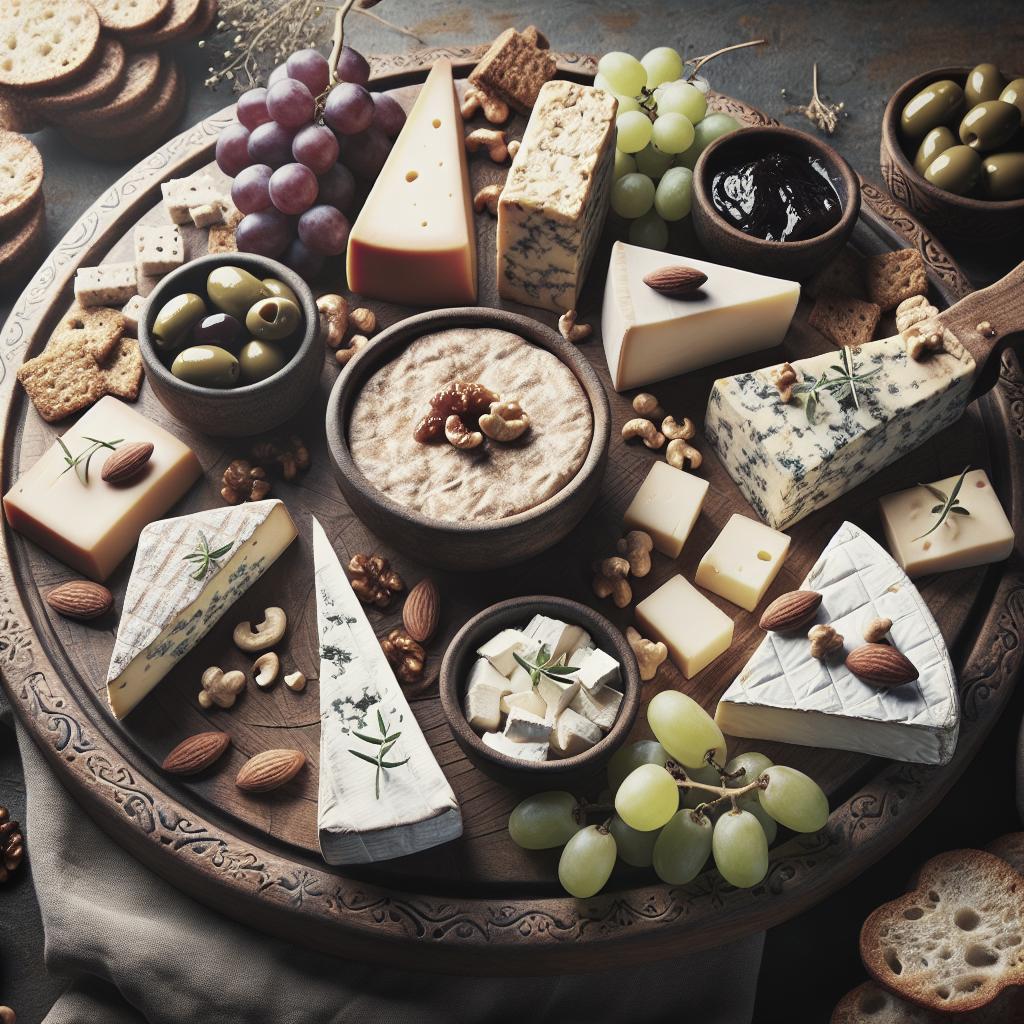
A successful vegan charcuterie board relies on a harmonious combination of elements, each complementing one another. Start with a selection of vegan cheeses, ranging from hard to soft textures. Opt for varieties like cashew-based Brie, almond-based Gouda, or soy mozzarella. These will serve as the main feature around which you’ll build your board.
Accompany your cheeses with an assortment of fresh and dried fruits such as grapes, figs, and dates for natural sweetness. Add crunchy elements like almonds and walnuts, and incorporate vegetables such as cherry tomatoes, olives, and pepperoncini for savory notes. Crackers and sliced baguettes offer a base for spreading the cheese, while vegan spreads such as hummus or chutney enhance the flavor profile.
Basic Cheese Board Formula
Creating a vegan cheese board can be simplified by following a basic formula: cheese, crackers, fruits, nuts, and spreads. Start by selecting three to five types of vegan cheeses to provide a range of flavors and textures. Next, choose a couple of different types of crackers or breads that add crunch or serve as carriers for the cheese.
Introduce a colorful mix of fresh and dried fruits for sweetness and visual appeal. Enhancing these elements with nuts adds a pleasant crunch and additional protein. Finally, round out the board with spreads that offer depth and richness such as tahini or avocado mash. This formula ensures that your board is well-balanced and caters to a variety of tastes.
Great Cheese Board Additions
Beyond the essentials, there are numerous ways to elevate your vegan cheese board. Consider adding marinated artichokes, sun-dried tomatoes, or basil pesto for a Mediterranean flair. To introduce a hint of spice, incorporate pepper jelly or pickled jalapeños. Fresh herbs such as rosemary or basil can be used both as garnishes and flavor enhancers.
Including a curated selection of olives—like Kalamata, green, and stuffed—adds an extra dimension to the board. For a sweet finish, dark chocolate or fruit preserves serve as ideal counterpoints to the savory elements. These additions enrich the board, making it more dynamic and satisfying.
Best Vegan Cheeses for a Cheese Board?
Selecting the best vegan cheeses for your board sets the foundation for a cohesive and enjoyable tasting experience. Look for cheeses that offer a range of textures and flavors, from creamy and spreadable to firm and sliceable. Recommended options include cashew Camembert, truffle-infused soft cheeses, and aged nut cheeses.
Brands such as Miyoko’s, Treeline, and Violife have received widespread acclaim for their creative and delicious vegan offerings. By choosing a variety of textures and flavor profiles, you’ll ensure that your guests can enjoy unique pairings and discover new favorites. Do keep in mind to taste-test the varieties before your event to ensure quality and satisfaction.
Special Equipment
To create an impressive vegan cheese board, a few tools might come in handy. A wooden or slate board makes for a classic and aesthetic presentation. Cheese knives or spreaders are essential for serving, while small bowls help contain loose components such as nuts and dips.
Consider adding ramekins for seeds or olives and decorative touches like fresh herbs or edible flowers. These special pieces of equipment not only enhance the serviceability of the platter but also elevate the overall dining experience.
Ingredients
The ingredients for a vegan cheese board are quite flexible and allow for creativity. Here’s a basic list to get you started:
- Assorted vegan cheeses (e.g., cashew Brie, almond feta, smoked coconut cheddar)
- Crackers and sliced baguette
- Assorted fruits (grapes, figs, apples, dried apricots)
- Assorted nuts (almonds, walnuts, cashews)
- Veggie options (olives, cherry tomatoes, cucumbers)
- Spreads (hummus, vegan pesto, fig jam)
Instructions
Creating your vegan cheese board is a straightforward process. Begin by arranging the cheeses around the board, spacing them out to create balance. Next, position your crackers and bread near the cheeses to invite easy pairing. Scatter the fruits and arrange them artistically for a pop of color.
Fill in the gaps with small bowls of nuts and spreads. Add your veggie elements, placing them near complementary spreads. Finish off by garnishing with fresh herbs or edible flowers for added beauty. Remember, the key is to create an inviting, colorful display that invites guests to explore and savor each element.
Notes
It’s important to choose ripe and fresh ingredients like fruits and vegetables to ensure optimal flavor. Consider the dietary preferences of your guests and adjust the selection accordingly. If you’re aware of specific allergies, ensure the board is free of those items or clearly communicate potential allergens.
Preparation can be done a few hours in advance, but try to add the liquid components like spreads and cut fruits closer to serving time to maintain freshness. Have fun with presentation—there’s no right or wrong when it comes to creativity on the board!
Nutritional Information per Serving
The nutritional information for a vegan cheese platter can vary based on the specific ingredients you choose to include. On average, for a moderately balanced platter, expect approximately 200-250 calories per serving, which may include 5-10g of protein, 15g of fat, and 5-10g of carbohydrates.
Be mindful of the nutritional needs and preferences of your guests. Allow a mix that offers nutritional value such as healthy fats from nuts and proteins from legumes, ensuring a satisfying experience for all.
How to Make a Vegan Cheese Board
Making a vegan cheese board is all about balancing flavors, textures, and aesthetics. Begin by envisioning the style and theme of your board, as this will guide your selection of cheeses and accompaniments. Make sure to choose a variety of flavors, from tangy and smoky to sweet and creamy, to cater to different tastes.
Enhance the visual appeal by layering, piling, and scattering ingredients. Use small bowls, natural dividers, and a range of colors to create an inviting layout. Ensure the ingredients are easy to reach and combine, making it simple for guests to navigate your creation without a hitch.
Pro Tips
To elevate your cheese board, consider the following pro tips: First, temperature is key. Allow your vegan cheeses to sit at room temperature for about 30 minutes before serving, as this will enhance their flavors and textures. Try to source seasonal produce, which tends to be more vibrant and flavorful.
Additionally, label your cheeses and spreads for guests to easily identify selections, especially if they include less common ingredients. Lastly, symmetry isn’t necessary. Embrace asymmetry for a more organic and visually interesting arrangement that encourages exploration.
FAQs
What is the shelf life of vegan cheese? Most store-bought vegan cheeses have a shelf life of 2-3 weeks once opened, but always check the packaging for specific indications. Homemade vegan cheese can last up to one week in the refrigerator if properly stored.
Can I make a nut-free vegan cheese board? Absolutely! Opt for soy-based or coconut-based cheeses, and replace nuts with seeds like sunflower or pumpkin for crunchy elements. The versatility of vegan cheese boards ensures you can accommodate dietary restrictions with ease.
More Holiday Recipes for Entertaining
Looking to broaden your hosting repertoire? Consider adding festive appetizers like sweet potato canapés, stuffed mushrooms, or a vibrant quinoa salad. For something sweet, include a plant-based chocolate fondue or apple crisp to round out your festive offerings.
The possibilities are endless, and by experimenting with different recipes, you’re sure to create memorable and delightful feasts. The focus should always be on delivering joyful and inclusive experiences that resonate with the occasion and your guests.
Summary of Main Points
| Aspect | Details |
|---|---|
| Vegan Charcuterie Board | Combines elegance with plant-based diversity. |
| Purpose | Cater to diverse dietary needs, sustainable choice. |
| Components | Cheeses, fruits, nuts, spreads, crackers. |
| Pro Tips | Room temperature cheese, asymmetry in display. |
| Making the Board | Focus on balancing flavors, textures, and aesthetics. |
“`
