
“`html
The Complex World of Umami: A Journey Through Taste
Umami is often referred to as the “fifth taste,” joining sweet, salty, sour, and bitter as a fundamental component of how we experience flavor. Originating from the Japanese term for “pleasant savory taste,” umami is less about a specific flavor and more about a flavor-enhancing experience that deepens our culinary enjoyment. This exploration will delve into what exactly umami is, where it can be found, how it tastes, and how you can incorporate it into your cooking. By the end of this article, you’ll be more familiar with umami’s role in culinary arts and its unique characteristics, empowering you to identify and use it in your own kitchen adventures.
What Is Umami?
Umami is a taste sensation that was identified in 1908 by Japanese chemist Kikunae Ikeda, who discovered that the amino acid glutamate was responsible for the savory flavor found in seaweed broth. This led to the classification of umami as one of the five basic tastes, alongside sweet, salty, sour, and bitter. Unlike these other tastes, umami is often described as a complex, meaty, and somewhat brothy flavor that enhances the overall taste profile of a dish.
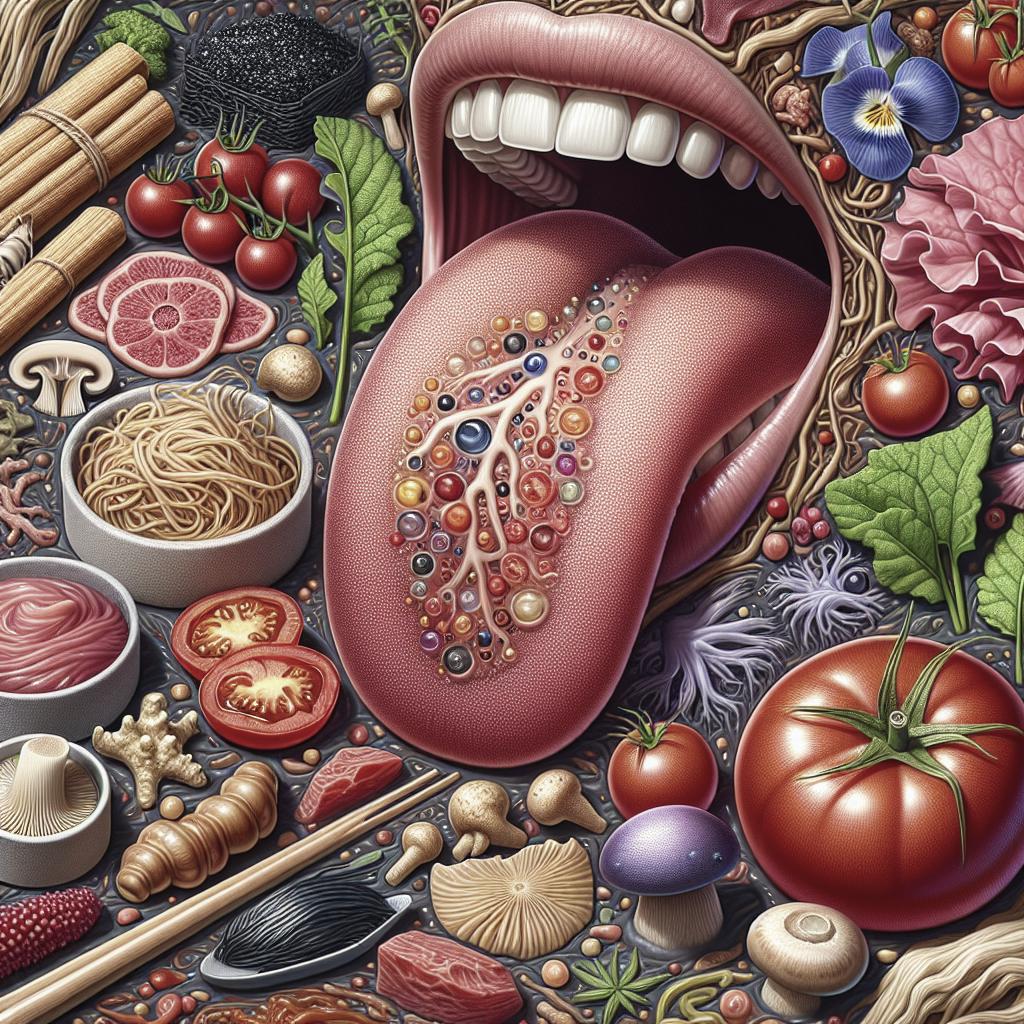
The scientific basis of umami lies in the presence of glutamates and nucleotides in food. These substances interact with specific taste receptors on the tongue, creating a taste experience that is both rich and satisfying. Foods high in umami tend to stimulate salivation and other sensory responses, making them particularly appetizing and desirable.
What Does Umami Taste Like?
Describing the taste of umami can be somewhat elusive, as it does not correspond to the more straightforward tastes of sweet or salty. People often describe umami as a “mouth-filling” sensation that enhances the overall taste experience. It’s characterized by a rich, broth-like or meaty taste, deepening the flavor profile of various foods in which it is found.
Unlike other taste sensations, umami tends to linger on the palate, creating a lasting savory experience. It is often associated with the flavors of cooked meats, aged cheeses, mushrooms, fish sauce, and fermented products, contributing complexity and depth that enhances the dish’s palatability.
Umami Foods
Several foods are naturally rich in umami, contributing to their unique flavor profiles. Common examples include tomatoes, mushrooms, aged cheeses like Parmesan, and fermented products such as soy sauce and fish sauce. These foods contain high levels of glutamates and often nucleotides, which work synergistically to produce a more pronounced umami taste.
Meats, particularly those that are slow-cooked or aged, such as prosciutto or bacon, also boast an enhanced umami flavor. Seafoods like anchovies and seaweed or even vegetables like asparagus and peas, which are often overlooked, can provide a significant umami punch to various dishes, boosting their overall taste appeal.
Umami Recipes
Incorporating umami into your cooking involves using ingredients rich in glutamates and nucleotides to naturally enhance flavors. For instance, adding a dash of fish sauce to a stir-fry or marinating beef in soy sauce can significantly elevate the umami profile of a dish. Additionally, using tomato paste or miso as a base for soups or sauces can infuse a rich, savory depth into the meals.
Try experimenting with umami-rich ingredients by pairing different umami foods together to amplify the effect. A classic example is adding Parmesan cheese to a tomato-based pasta sauce, which enriches the dish with complementary umami flavors. Additionally, creating broths from simmering mushrooms and kombu yields a umami-packed foundation that can serve as a base for various soups and stews.
Related:
- The Science Behind Taste: Understanding the Five Flavors
- A Guide to Cooking with Seaweed
- Using Fermented Foods in Modern Cuisine
| Topic | Summary |
|---|---|
| What Is Umami? | Umami is a complex taste sensation discovered by Kikunae Ikeda, characterized by glutamates and nucleotides that enhance food’s overall flavor. |
| What Does Umami Taste Like? | Umami has a rich, meaty, and broth-like taste, often resonating as a mouth-filling and lingering savory flavor. |
| Umami Foods | Foods naturally rich in umami include tomatoes, mushrooms, and aged cheeses, with seafood and fermented products contributing significantly. |
| Umami Recipes | Incorporating umami involves using glutamate-rich ingredients to enhance flavors, such as fish sauce, soy sauce, and tomato paste in cooking. |
“`
