
“`html
How to Cultivate a Home Herb Garden
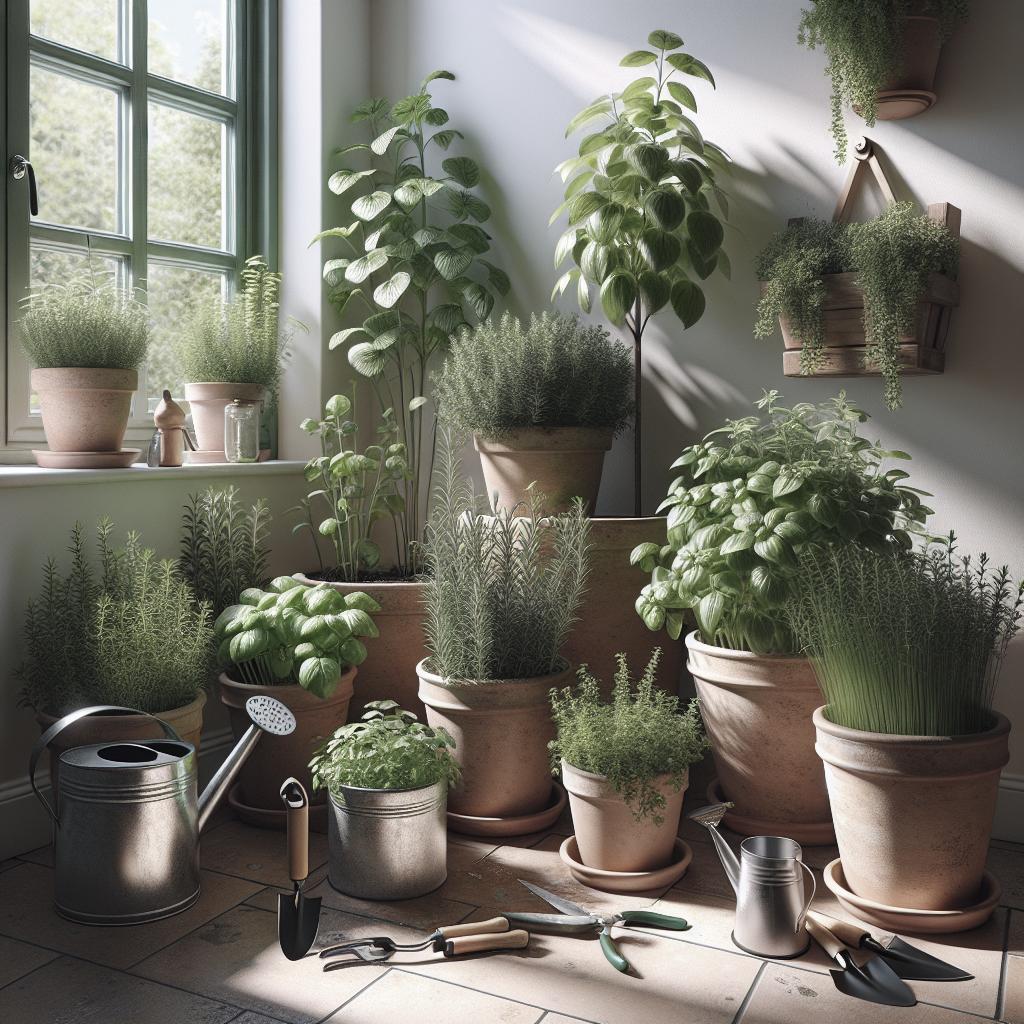
Growing your own herb garden can be a rewarding and therapeutic experience, providing fresh ingredients for your kitchen while enhancing your living space with greenery. In this guide, we’ll explore how to cultivate a successful home herb garden. We’ll discuss essential tips like choosing the herbs that best suit your culinary needs, understanding optimal growth conditions, and setting up indoor alternatives if outdoor space is unavailable. Beginner tips on starting with matured plants instead of seeds and insights into companion planting will also be covered, along with pruning techniques to ensure your herbs flourish. Let’s dig deeper into these essential aspects of home herb gardening.
Grow what you eat
When planning your home herb garden, it’s wise to begin with herbs you frequently use in your cooking. This not only ensures that your garden is practical and reduces waste, but it also allows you to enjoy the freshest flavors possible in your meals. Start by considering your favorite dishes and the herbs they require, such as basil for Italian cuisines, cilantro for Mexican dishes, or rosemary for hearty roasts.
Growing herbs that you regularly consume will keep you motivated to maintain the garden, as you’ll be reaping the direct benefits of your efforts. Experimenting with unfamiliar herbs is another option, but prioritize planting those that will serve a clear purpose in your cooking routine, thus maximizing the utility of your garden space.
If at all possible, grow them outside
Outdoor cultivation is generally preferable due to access to natural sunlight and more extensive space which encourages unrestricted growth. The open air also facilitates proper air circulation, reducing the risk of fungal infections and pests that might jeopardize your herb garden’s health. With outdoor growing, you also enjoy the benefit of rainwater, which is often purer and more nourishing for plants than tap water.
When selecting outdoor locations, choose spots that receive ample sunlight for most of the day, ideally 6 to 8 hours. Moreover, ensure the soil is well-drained and fertile to support healthy plant growth. You can enhance your soil’s quality by mixing it with compost, thus offering your herbs an ideal, nutrient-rich starting point.
But if you absolutely can’t, get a light setup
If outdoor space is unavailable, or you’re constrained to an apartment setting, it’s still possible to grow a prosperous herb garden indoors. This will, however, require setting up a suitable artificial lighting system since indoor lighting often falls short of providing the necessary spectrum and intensity that herbs need for optimal growth.
When investing in grow lights, opt for full-spectrum LED lights that mimic natural sunlight. These are energy-efficient, provide a balanced light spectrum, and keep your utility costs down. Arrange the lights to hover above your herbs, maintaining an ideal distance as specified by the product’s guidelines to avoid overheating or insufficient exposure.
Seeds are not for beginners
Though starting herbs from seeds is cost-effective and rewarding, it can be a challenging endeavor, especially for beginners. The germination process requires careful temperature control, adequate moisture, and patient monitoring, variables that can be difficult to manage correctly without prior experience.
Instead, novice gardeners should consider purchasing young plants or seedlings from a nursery. This approach offers a head start, allowing you to focus on maintaining the herbs rather than the intricacies of seed propagation. Furthermore, young plants are hardier and often adapt more swiftly to environmental changes, giving you a better chance of laying a strong foundation for your herb garden.
Know which plants work best together
Companion planting is an effective strategy in herb gardening that involves grouping complementary plants to enhance growth and deter pests. When designing your herb garden layout, consider which plants thrive in each other’s presence. For example, basil and tomatoes make a classic pairing, not only in the kitchen but also in the garden, as basil can help repel insects that commonly affect tomatoes.
Understanding the growth patterns and environmental preferences of herbs is vital in creating a successful companion planting scheme. Some herbs, like mint, are highly invasive and may overwhelm other plants if not contained, so potting them separately or using dividers can prevent any unwanted competition for resources such as light, water, and soil nutrients.
Know how to trim
Regular trimming, or pruning, is crucial to maintaining the health and vibrancy of your herb garden. Not only does it encourage lush growth, but it also prevents your herbs from becoming leggy or developing woody stems that diminish flavor and potency. Aim to trim your herbs when they are young to promote bushier growth.
Focus on removing the top few inches of growth from each stalk, ideally just above a pair of leaves. This approach will stimulate the plant to branch out, producing a fuller and more productive plant. However, be cautious not to over-prune, as removing too much at once can stress the plant and impede its recovery.
Future Prospects
| Aspect | Key Points |
|---|---|
| Grow what you eat | Focus on planting herbs you frequently use in cooking to ensure utility. |
| If at all possible, grow them outside | Consider natural benefits of sunlight and rainwater; ensure well-drained soil. |
| But if you absolutely can’t, get a light setup | Utilize full-spectrum LED grow lights to replicate natural light indoors. |
| Seeds are not for beginners | Start with young plants or seedlings for a more straightforward gardening experience. |
| Know which plants work best together | Utilize companion planting to enhance growth and protect against pests. |
| Know how to trim | Regularly prune herbs to maintain health and stimulate bushy growth. |
“`
