
“`html
How to Make Fluffy Mashed Potatoes
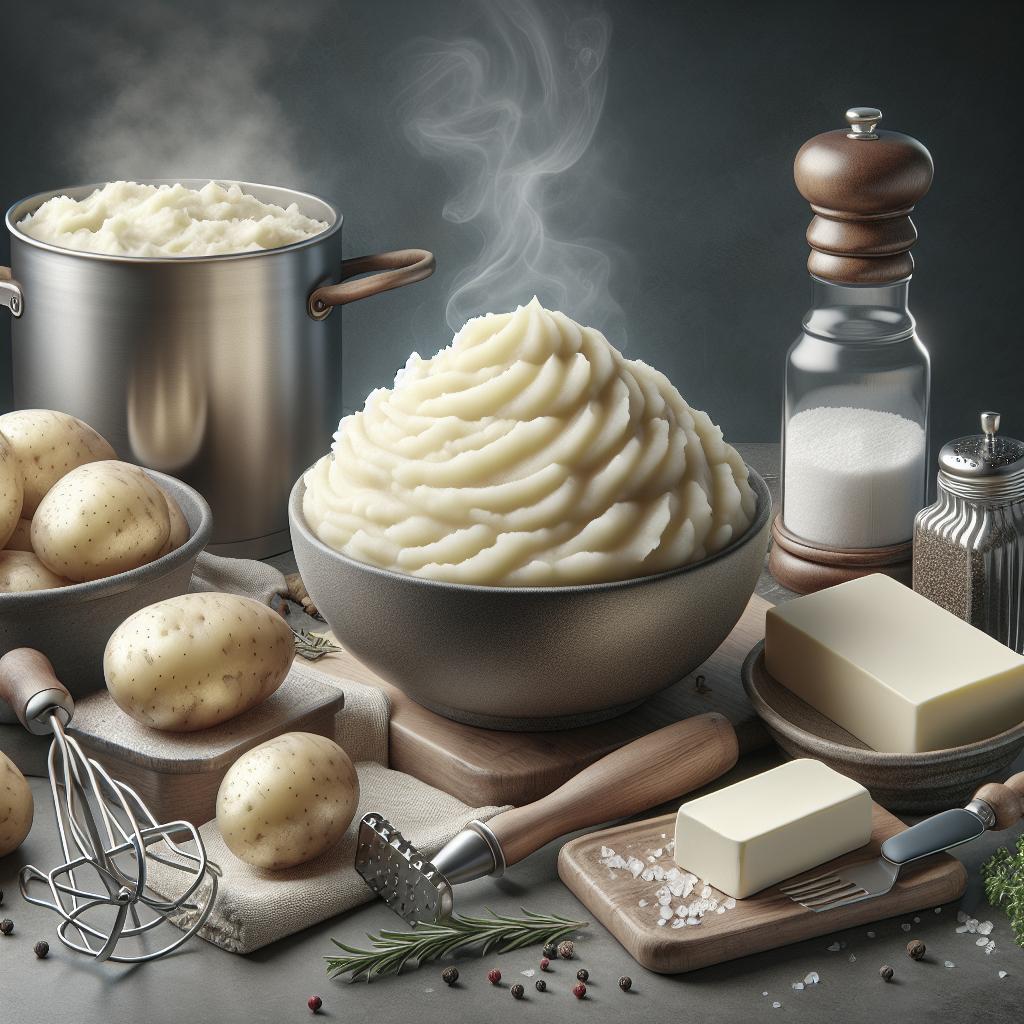
Few dishes bring the comfort and warmth like a serving of perfectly fluffy mashed potatoes. This blog will guide you through the subtle science of potato starch and share the secrets to achieving that ultra-desirable texture. We’ll also provide a step-by-step recipe along with the necessary ingredients and equipment. Whether you’re preparing for a holiday feast or a cozy dinner, mastering the art of fluffy mashed potatoes can elevate your culinary skills. Join us as we unravel these cooking techniques designed to bring out the best in this timeless classic.
The Science Behind Potato Starch
To achieve fluffy mashed potatoes, it is crucial to understand the role of starch in potatoes. Potatoes are rich in starch, a major factor influencing their texture when they are cooked and mashed. The type of starch affects the consistency and creaminess of the final dish.
Starch granules in potatoes absorb water and swell during cooking. If handled properly, this can result in a creamy, smooth mash. However, overworking the potatoes during mashing releases excess starch, leading to gummy or gluey potatoes. The type of potato also plays a role; high-starch potatoes like russets are often preferred for fluffier textures.
Understanding how starch behaves under different conditions is key to achieving the perfect consistency. By controlling factors such as potato type, cooking time, and mashing technique, you can harness the power of starchology to create the ideal mashed potatoes.
The Keys to Smooth and Fluffy Mashed Potatoes
Choosing the right potato variety is paramount. High-starch varieties like russet or Yukon Gold are preferred because they break down easily, allowing for a smoother mash. Low-starch potatoes should be avoided as they’re less amenable to the fluffy texture we seek.
Equally important is the cooking method. Boil potatoes in salted water until just fork-tender. Overcooking can cause them to absorb excess water, diluting flavor and transforming texture. For superior results, consider steaming the potatoes instead for a drier mash.
The mashing process should be gentle yet thorough. A potato ricer or food mill will produce the fluffiest results by minimizing agitation while ensuring uniformity. Avoid using electrical appliances like blenders or food processors which can overwork the starches, leading to a gluey consistency.
Ultra-Fluffy Mashed Potatoes Recipe
In our quest for fluffy excellence, we have crafted a meticulous recipe that guides you through each step with precision. The inclusion of rich dairy enhances flavor and texture, while optional additions allow for personal customization. This recipe is crafted to help both beginners and seasoned chefs achieve perfection every time.
Our recipe emphasizes simple ingredients combined with careful technique. Seasoning is crucial; don’t underestimate the power of salt to elevate flavors. Controlling the temperature of dairy products and adding them incrementally results in the smooth, creamy mash that makes this dish a standout.
By adhering to this recipe, you’ll not only gain the skills to make sensational mashed potatoes but also the understanding of why each step is essential. With a bit of practice, you’ll be turning out batches of delightfully fluffy potatoes consistently.
Ingredients
The choice of ingredients can make or break your mashed potatoes. Below is the tried-and-true list to ensure perfect results:
- 2 pounds of russet or Yukon Gold potatoes, peeled and quartered
- 1 cup of heavy cream
- 1/2 cup of unsalted butter
- Salt to taste
- Freshly ground black pepper (optional)
- Fresh herbs like chives or parsley for garnish (optional)
Each component plays a vital role in achieving the desired texture and flavor profile. High-fat, quality butter and cream are pivotal for creating the smooth, luxurious finish that characterizes excellent mashed potatoes.
Directions
The process of making mashed potatoes involves finesse and attention to detail:
- Place the potatoes in a large pot and cover with cold, salted water. Bring to a boil and cook until fork-tender, about 15-20 minutes. Drain well.
- Return the potatoes to the pot over low heat to evaporate any remaining moisture.
- In a small saucepan, heat cream and butter over low heat until the butter is melted. Do not boil.
- Pass potatoes through a potato ricer or food mill and back into the pot.
- Gradually fold in the warm cream mixture until fully incorporated and you reach the desired consistency.
- Season with salt and pepper to taste, and mix well.
- Garnish with fresh herbs, if desired, before serving.
Each step is crafted to ensure maximum flavor and texture. Returning the potatoes to the pot after boiling helps evaporate excess moisture, ensuring the mash is not watery. Gently folding in cream and butter ensures that the potatoes remain light and fluffy.
Special Equipment
To achieve the perfect mashed potatoes, the equipment you use can significantly impact the final result:
- Potato Ricer: Essential for breaking down potatoes without overworking them.
- Food Mill: An alternative to a ricer for a silky-smooth texture.
- Large Pot: To comfortably boil and drain the potatoes.
Investing in a good potato ricer or food mill can make a noticeable difference. The quality of your tools can make the mashing process smoother and more efficient, contributing to the final texture of the dish.
Notes
Why It Works
This recipe works by carefully balancing temperature, timing, and technique. The choice of high-starch potatoes and minimal handling prevents unwanted starch release, keeping the texture light. Gradual incorporation of warm dairy, rather than cold, prevents shocking the potatoes and maintains a cohesive blend.
November 2010
The methodology presented here has been refined over the years, incorporating insights from culinary research since November 2010. Our approach has continually evolved to offer the most reliable route to making mashed potatoes that are consistently praised for their distinct fluffiness.
Future Prospects
As culinary techniques continue to evolve, so does our approach to perfecting mashed potatoes. Future innovations might introduce new ingredients or methods to further enhance texture and flavor profiles. By understanding the fundamentals and nurturing a curiosity for experimentation, home cooks can continue to create and refine this beloved comfort dish.
| Aspect | Details |
|---|---|
| Potato Choice | High-starch varieties like Russet or Yukon Gold |
| Cooking Method | Boil or steam until fork-tender; avoid overcooking |
| Mashing Process | Use a potato ricer or food mill; avoid overworking |
| Dairy Ingredients | Use warm heavy cream and unsalted butter, added slowly |
| Seasoning | Salt and optional pepper, herbs for garnish |
| Equipment | Potato ricer or food mill, large pot |
“`
