
“`html
How to Prepare a Charcuterie Board
Charcuterie boards have taken the culinary world by storm, offering an artful combination of cured meats, cheeses, and an array of complementary snacks that delight the senses. This guide will help you explore the essentials of creating a stunning charcuterie board at home. Whether you are hosting a party or enjoying a quiet night in, a well-crafted board is a versatile addition to any occasion. We break down the elements needed, guide you step-by-step in building your board, and offer tips on how to achieve this on a budget. Discover the joy and satisfaction that comes with crafting this epicurean delight.
What Is a Charcuterie Board?
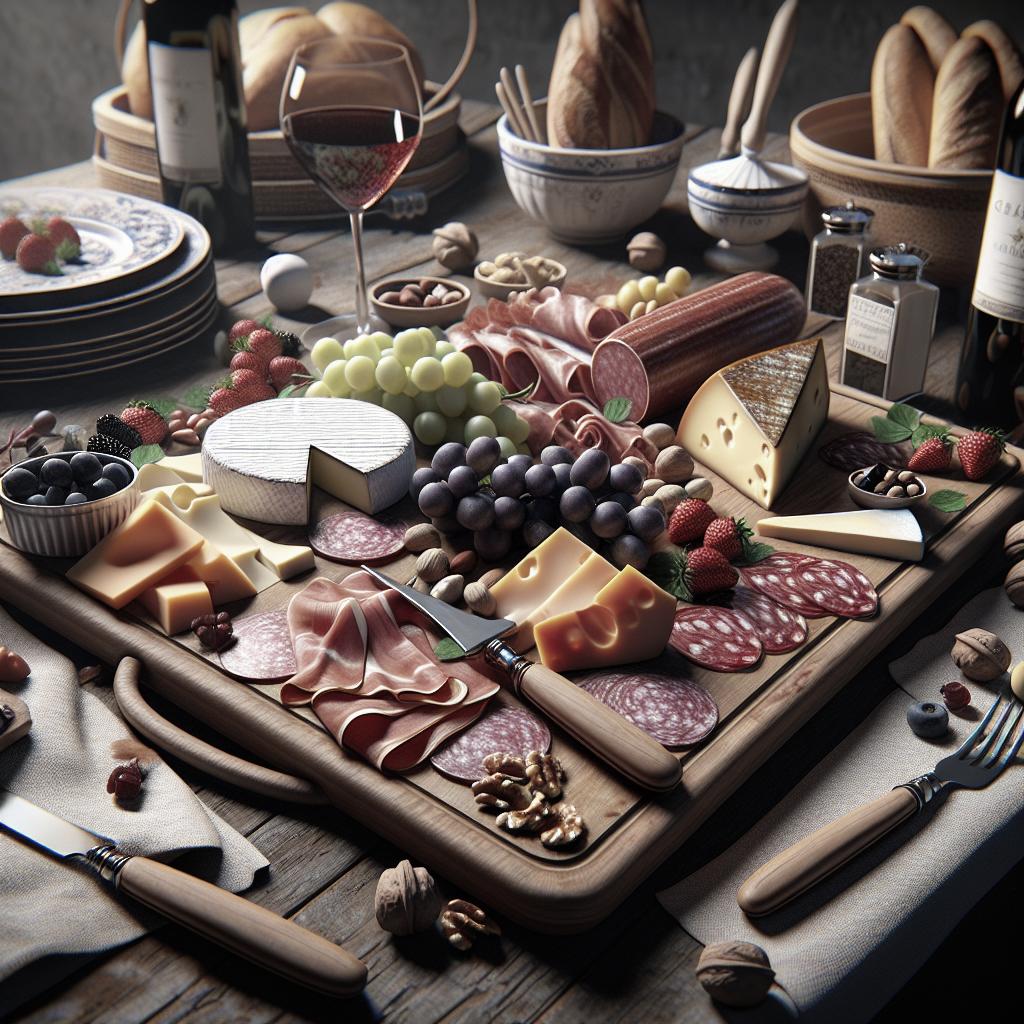
Charcuterie boards are a feast for the eyes and the palate, beautifully arranged with an assortment of cured meats accompanied by a variety of cheeses, crackers, fruits, vegetables, and sauces. Originating from Canada, “charcuterie” refers to the culinary art of preparing and assembling cured meats and meat products.
Today, charcuterie boards are more popular than ever, featured at gatherings and events of all types. They provide an opportunity to explore flavor combinations and showcase creativity in food presentation. With a balance of textures and flavors, charcuterie boards are as engaging to look at as they are delightful to eat.
What Are the Elements of a Charcuterie Board?
The Platter
The base of any charcuterie board is its platter, which sets the stage for your edible masterpiece. Choose a solid, flat surface made from wood, marble, or slate. The selected platter should complement your presentation style and be sized appropriately for the number of guests you expect.
Consider the aesthetics of the platter: a rustic wooden plank offers warmth and a hint of country charm, while a sleek marble slab adds elegance and sophistication. Ensure the platter is sanitized and ready for food placement to keep safety and cleanliness at the forefront.
The Dishes
Use small bowls or dishes to hold dips, spreads, and smaller items like nuts or olives. These dishes not only contain messier ingredients but also add height and visual diversity to your board. Choose dishes that fit the size of the platter and coordinate with your overall theme.
Opt for neutral-colored dishes to allow the vibrant colors of the food to shine. Additionally, ensure the dishes are easy to access, minimizing the disruption to the overall layout when guests serve themselves.
The Cheeses
Cheese is a critical component of any charcuterie board, providing a rich contrast to the salty meats. Aim for a variety of textures and flavors by including soft cheeses like brie or goat cheese, semi-soft varieties such as gouda or havarti, and hard cheeses like cheddar or parmesan.
Consider dietary restrictions or preferences, and provide at least one dairy-free cheese option for guests who may be lactose-intolerant or vegan. Cut cheeses into bite-sized, easy-to-grab pieces, offering a combination of cubed, sliced, and wheel presentations for variety.
The Meats
Cured and deli meats form the heart of a traditional charcuterie board. Popular choices include prosciutto, salami, and chorizo, known for their rich and savory profiles. Meats should be thinly sliced and artfully arranged to create visual appeal.
Vary the selections to provide a balance of flavors, such as spicy, sweet, and smoky. Consider offering additional protein sources like turkey, roasted beef slices, or pepperoni to cater to different palates and preferences.
The Crackers
Crackers serve as a vehicle for the cheeses and spreads, adding crunch and another layer of flavor. Select a diverse array of crackers, considering different textures and flavors such as whole grain, sesame seed, and gluten-free options.
Arrange the crackers around the edges of the board or near their complementary cheeses and meats. This ensures easy access and maintains the balance of the presentation.
The Produce
Fresh produce such as fruits and vegetables can add a healthy dimension to the charcuterie board. Grapes, figs, berries, and apple slices offer sweetness, while cucumber, cherry tomatoes, and radishes introduce refreshing, crisp flavors.
Carefully slice and arrange the produce, using contrasting colors to enhance the visual appeal and ensure harmony with the other ingredients. Seasonal selections can add a unique touch while utilizing the freshest offerings available.
The Garnishes
Garnishes complete the board, adding a finishing touch that enhances both its look and taste. Fresh herbs like rosemary, thyme, or parsley can add a pop of greenery and aromatic flavor to your presentation.
Edible flowers, nuts, and dried fruits are also excellent garnishing options. Consider arranging garnishes with symmetry and balance, helping to tie together the different elements of your charcuterie board.
Building a Charcuterie Board: Where Do I Start?
Step One: Add Structure
Begin by envisioning your layout and distributing small dishes for dips or spreads across the board. These dishes act as anchors, creating a framework around which the rest of the elements will be arranged.
Consider how guests will approach the board and layer the heavier items near the bottom to form a solid base. Maintain a balance between clusters of ingredients to ensure ease of access and visual appeal.
Step Two: Add the Cheeses and Meats
Layer cheeses and meats around the structural dishes, alternating between different types to create visual interest. Cheese wedges can be fanned out, while meats can be folded or rolled for added texture and dimension.
Avoid overcrowding; leave space between each selection so that guests can easily distinguish and choose between them. Strategic layering also facilitates easy replenishing when stocks run low during the event.
Step Three: Add Crackers
Arrange the crackers in small, overlapping stacks or bundles. Position them along the edges of the board or close to complementing cheeses and dips for convenience.
Vary the shapes and sizes of the crackers to provide depth and character to the board. As always, aim for balance and ensure the overall presentation remains cohesive and inviting.
Step Four: Add Fruits, Veggies, and Herbs
Fill any remaining spaces with colorful fruits and vegetables, adding vibrant hues that catch the eye. Arrange these with care, avoiding clutter but ensuring there is enough for guests to enjoy.
Use fresh herbs as both garnishes and functional dividers that separate different sections of your board. The result should be a harmonious blend of colors and tastes, inviting and satisfying for all senses.
How to Build on a Budget
Crafting a charcuterie board need not break the bank; careful planning and creativity can achieve sensational results on a budget. Opt for local cheeses and meats, which are often less expensive than imported varieties yet equally delightful.
Incorporate homemade dips and spreads to cut costs. Simple olive tapenade, hummus, or even a classic onion dip can be made using pantry staples and add a personal touch. Utilizing seasonal produce and discounts at your local market can also save money.
Use simple garnishes like a handful of nuts or some fresher herbs that may already be in your kitchen. Ultimately, thoughtful selection and artful presentation can make even the simplest ingredients feel luxurious.
Final Thoughts
Crafting a charcuterie board is an art that balances flavor, aesthetics, and creativity. Whether you’re navigating the range of elements on a budget or crafting an elaborate display, the diversity of ingredients brings joy to both creator and consumer. With practice, your skills in presentation and tastemaking will blossom, allowing you to delight guests with your culinary expertise.
| Element | Description |
|---|---|
| The Platter | Choose a sturdy, attractive base to host your board. |
| The Dishes | Use small dishes for dips and smaller items to add height. |
| The Cheeses | Incorporate a variety of textures and flavors for balance. |
| The Meats | Vary selection with prosciutto, salami, and more. |
| The Crackers | Choose diverse crackers to complement cheeses and dips. |
| The Produce | Add fruits and veggies for color and freshness. |
| The Garnishes | Finish with herbs, nuts, and edible decorations. |
“`
