
“`html
Staple Foods in Korea
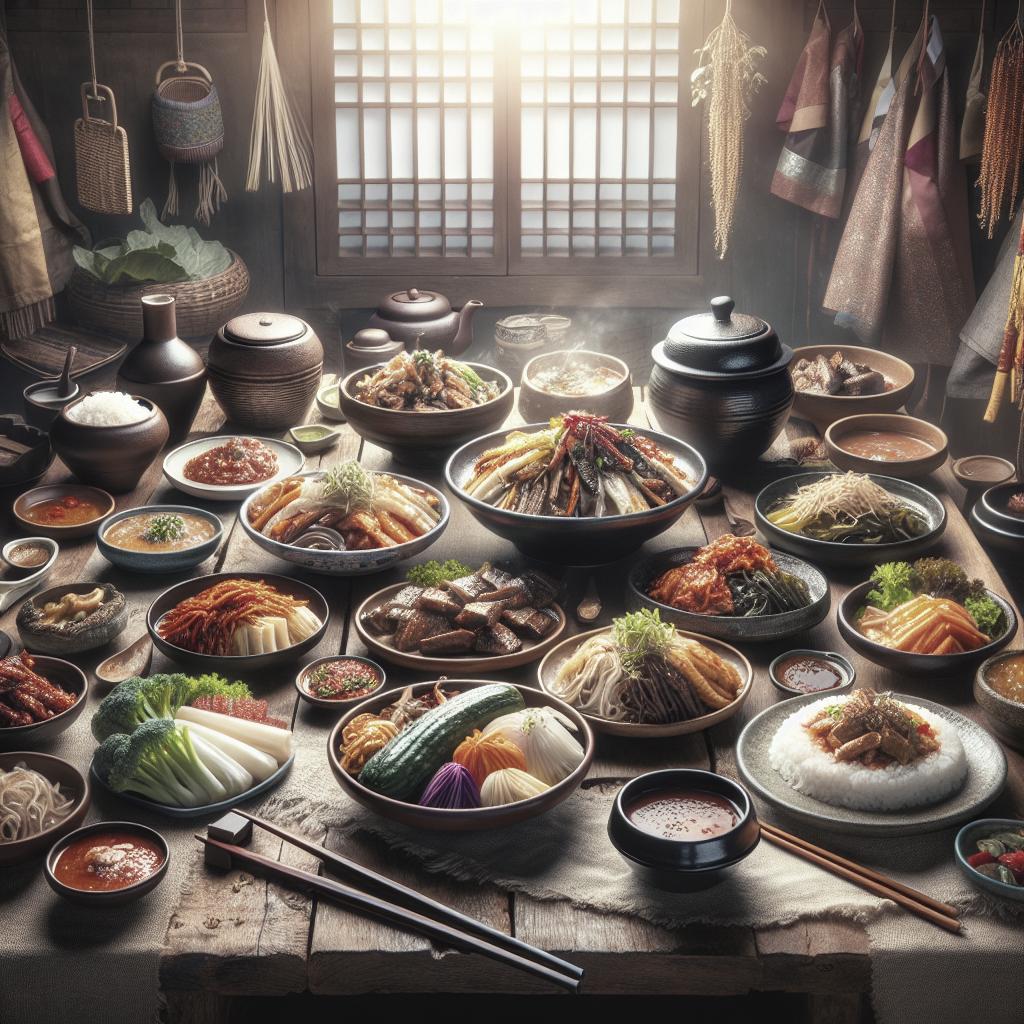
South Korea boasts a rich culinary heritage that has captured the hearts and taste buds of people worldwide. This article explores ten staple foods that define Korean cuisine. From the colorful and vibrant Bibimbap to the hearty and flavorful Galbi Tang, each dish offers a unique taste of Korean culture. We will dive into the intricate flavors and preparations that make these dishes household names in Korea. Whether you’re new to Korean cuisine or a seasoned enthusiast, this guide will give you a deeper understanding of these iconic dishes and why they’ve become integral parts of Korean dining experiences.
Classic Korean Bibimbap
Bibimbap is one of Korea’s most celebrated dishes, renowned for its vibrant presentation and balance of flavors. This mixed rice dish consists of warm rice topped with seasoned vegetables, gochujang (Korean red pepper paste), soy sauce, or doenjang (a fermented soybean paste). Topped with a fried egg and sliced meat, Bibimbap is both nutritious and visually appealing.
The origins of Bibimbap can be traced back to Korean royal cuisine. Its preparation often involves a meticulous selection of ingredients, offering a blend of textures and flavors that complement each other harmoniously. Bibimbap is not just a meal; it is an experience, inviting those who enjoy the dish to mix it thoroughly, embodying the meaning of its name, “mixed rice.”
Dongchimi (Korean White Radish)
Dongchimi is a type of kimchi primarily made with water and radish, offering a mild contrast to the typical spicy variety. This refreshing dish is lightly seasoned and served in its own broth, providing a crisp and refreshing taste. It’s especially popular during the winter months for its cooling and soothing properties.
In Korean homes, Dongchimi acts as a side dish that complements various meals, adding a crunchy texture and a bit of tartness. Its subtle flavors are perfect for those who are new to kimchi or prefer milder tastes without missing out on traditional Korean flavors.
Bulgogi (Korean Beef Barbecue)
Bulgogi, meaning “fire meat,” refers to marinated beef grilled to perfection. This dish is a favorite among locals and tourists alike, showcasing the delicious spectrum of Korean barbecue. The marinade typically consists of soy sauce, sugar, sesame oil, garlic, and pepper, resulting in a savory-sweet flavor that is both delightful and addictive.
What sets Bulgogi apart is its versatility; it can be enjoyed with an assortment of accompaniments, such as lettuce wraps, rice, and a variety of banchan (side dishes). The tender slices of beef absorb the marinade well, offering an explosion of flavor with every bite.
Mandoo (Korean Dumplings)
Mandoo are Korean dumplings that can be prepared in multiple ways: steamed, boiled, pan-fried, or deep-fried. Filled with a mix of ingredients like ground pork, beef, or vegetables, these dumplings are a staple in Korean cuisine, often enjoyed as appetizers or snacks.
Mandoo’s versatility extends beyond just cooking methods. During special occasions or Korean lunar new year, families gather to make these dumplings, a tradition that strengthens family bonds. They can be served alone with dipping sauce or added to soups like Mandoo-guk for a comforting meal.
Chap Chae (Stir-Fried Korean Noodles)
Chap Chae is a beloved Korean dish made from sweet potato noodles, known as glass noodles, stir-fried with a variety of vegetables and sometimes beef. The noodles are chewy and transparent, absorbing flavors beautifully while maintaining their unique texture.
This dish is often seasoned with soy sauce and sesame oil, topped with a sprinkle of sesame seeds. Chap Chae is a favorite during special occasions and gatherings but is also enjoyed as a simple yet hearty everyday meal. Its umami-rich flavors make it a dish that’s hard to resist.
Bossam (Korean Pork Belly)
Bossam is a celebrated dish consisting of boiled pork belly that is thinly sliced and usually served with a variety of accompaniments, such as kimchi, garlic, and ssamjang (a dipping sauce made from soybeans). The tenderness and rich flavors of the pork paired with spicy and savory condiments make it an indulgent and filling meal.
Traditionally, Bossam is enjoyed as a communal meal. It might be wrapped in lettuce or napa cabbage leaves, offering a combination of tastes and textures. This dish reflects the Korean culinary principles of balance and harmony, maximizing satisfaction with each bite.
Kimchi Jjigae (Spicy Kimchi Stew)
Kimchi Jjigae is a spicy stew that showcases the quintessential Korean ingredient: kimchi. This hearty soup incorporates aged kimchi, tofu, pork, and occasionally seafood or mushrooms to enhance its depth of flavor. Its spicy and rich broth is the perfect way to warm up in cooler weather.
Known for comfort and adaptability, Kimchi Jjigae is a staple in Korean households. Each family might have their variation, adding signature ingredients that personalize the stew. It is a dish that not only exemplifies Korean comfort food but also the ingenuity of using fermented foods to create something nourishing and bold.
Seollangtang (Korean Ox Bone Soup)
Seollangtang is a traditional Korean soup made by simmering ox bones for several hours, resulting in a rich and milky broth. Often served with sliced beef, rice, and thin noodles, its delicate flavor is typically seasoned with green onions, salt, and pepper according to personal taste.
This soup exemplifies the Korean philosophy of eating for health and wellness. The long simmering process releases calcium and collagen from the bones, believed to be nutritionally beneficial. It is a dish often enjoyed on cold days or after strenuous activity for its restorative qualities.
Galbi Tang (Short Rib Soup)
Galbi Tang is a comforting soup made from beef short ribs, providing a robust and hearty flavor profile. The short ribs are simmered until tender along with ingredients like radish, garlic, and sometimes jujube (Korean dates) to enhance depth and sweetness.
This popular Korean soup is often enjoyed as a main dish, providing a satisfying blend of savory and slightly sweet flavors. It is ideal for family feasts and gatherings, offering warmth and nourishment. The tender meat and clear broth are indicative of its role as a comforting, staple meal in Korean households.
Galbi (LA-Style Korean Grilled Short Ribs)
Galbi, or Korean grilled short ribs, is a beloved barbecue dish that elevates Korean cuisine with its tender and flavorful beef. Unlike traditional short ribs, LA-style Galbi includes a unique marinade with a signature blend of soy sauce, sugar, garlic, and sesame oil, enhancing its savory-sweet profile.
The style is distinguished by a cross-section cut allowing the ribs to cook quickly and evenly on the grill. Galbi embodies the communal nature of Korean barbecue, encouraging friends and family to gather and share food, laughter, and stories.
Summary of Main Points
| Dish | Description |
|---|---|
| Bibimbap | A harmonious mix of rice, vegetables, and meat topped with an egg and spicy paste. |
| Dongchimi | Mild and refreshing radish-based kimchi served in its own broth. |
| Bulgogi | Marinated beef barbecue known for its sweet and savory flavor profile. |
| Mandoo | Korean dumplings filled with meat and vegetables, versatile in preparation. |
| Chap Chae | Sweet potato glass noodles stir-fried with vegetables and beef. |
| Bossam | Boiled and sliced pork belly served with condiments for wrapping. |
| Kimchi Jjigae | A spicy stew rich in flavor, featuring kimchi and protein options. |
| Seollangtang | Nutrient-rich ox bone soup known for its restorative properties. |
| Galbi Tang | Satisfying and hearty short rib soup with radish and spices. |
| Galbi | Deliciously marinated grilled short ribs that define Korean BBQ. |
“`
